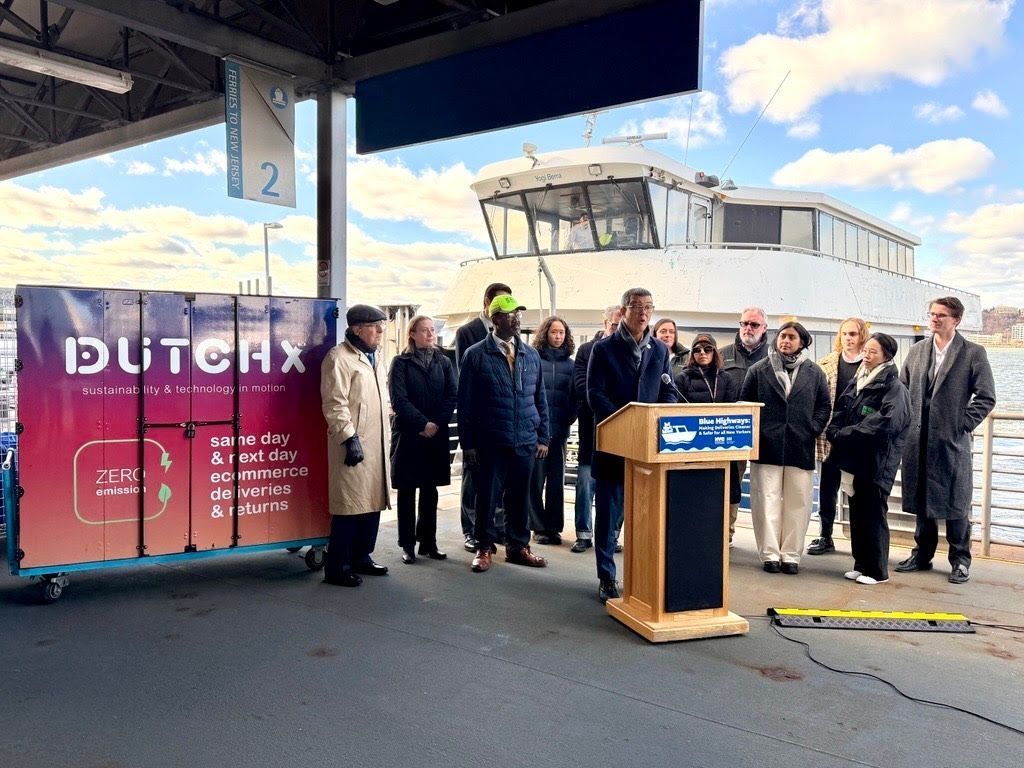
NYC DOT Commissioner Rodriguez announcing the start of the Blue Highwa
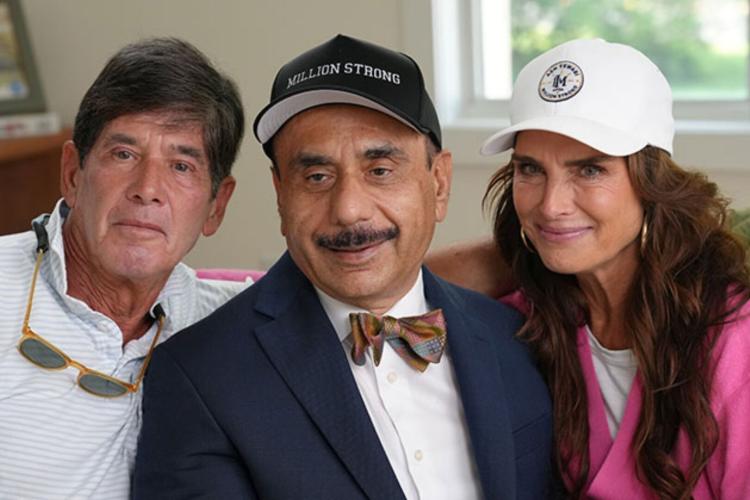
NYC DOT Commissioner Rodriguez announcing the start of the Blue Highways Pilot at Pier 79 in Manhattan. Credit: NYC DOT
(PRESS RELEASE) Waterways Are the New Highways: New York City Begins Moving Freight Through Waterways as Part of Its Historic Blue Highways Pilot Program
City Activates Manhattan’s Pier 79 as First Location to Receive Small Commercial Freight Deliveries by Boat through Pilot Program
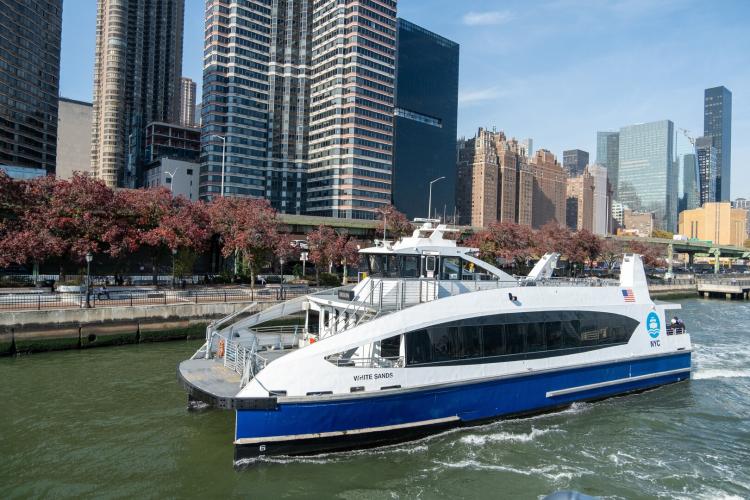
Goods, Including Cosmetics, Fashion, and Household Items Will be Transferred from NY Waterway Ferry Vessel to DutchX Electric Cargo Bikes for Local Delivery
Pilot Program will Shift Freight from Roadways to Waterways, Easing Truck Congestion, Pollution
NEW YORK – New York City Department of Transportation (NYC DOT) Commissioner Ydanis Rodriguez, New York City Economic Development Corporation (NYCEDC) President Andrew Kimball, NY Waterway, and DutchX announced the activation of a marine freight pilot between Manhattan's Pier 79 and the Brooklyn Marine Terminal (BMT) as part of New York City’s Blue Highways program. Blue Highways activates the city’s waterways for local and regional movement of goods—improving quality of life for New Yorkers by reducing congestion on roadways, adding resiliency to the city’s supply chain, and tapping into New York’s roots as a port city. This effort builds on the recent passage of the historic Vision Plan approved by the BMT Task Force in September to transform the site into a modern, 21stcentury all electric maritime port and vibrant, mixed-use community. NYCDOT is working to develop similar freight models for three other piers in coordination with NYCEDC. With nearly 90 percent of goods moving into and through the city by truck, the City of New York 's Blue Highways program is part of NYC DOT 's efforts to reimagine freight delivery in New York City, restructure freight distribution, and create a sustainable last-mile delivery system for getting goods where they need to go.
“Waterways are the new highways in New York City! New York’s waterways built this city—now they’re helping us create a cleaner, safer, and smarter way to deliver the goods New Yorkers rely on,” said NYC DOT Commissioner Ydanis Rodriguez. “Blue Highways is how we shift from a 20th century freight system to a 21st century one, and when we move goods by water and deliver them by sustainable modes of transportation like cargo bikes, everyone wins—our streets, our air, and our neighborhoods.”
“New York City was built on its waterways and, through the Blue Highways program, we’re taking advantage of them once again,” said NYCEDC President & CEO Andrew Kimball. “This pilot is perfect example of how New York City can leverage New York Harbor to move freight quickly and efficiently, all while unclogging city streets and reducing pollution caused by truck traffic. We’re excited to work with our public and private partners and communities across the five boroughs as we continue to this strategic, and transformational shift of goods from our roadways to our waterways.”
“Ferries are the most effective and environmentally friendly way to transport commuters into and out of Manhattan. We are excited to partner with DutchX, NYC DOT and NYCEDC on the Blue Highways Program to show why they are ideal for freight transportation, as well,” said NY Waterway President and CEO Armand Pohan. “Our city’s waterways are key to getting trucks off Manhattan streets while getting freight delivered more quickly and efficiently than ever before.”
“I came to New York from Amsterdam twenty years ago, a city shaped by its waterways, so I’ve always believed this city could do more with its own,” says Marcus Hoed, Co-Founder of DutchX. “In collaboration with NYC DOT, NYC EDC, and NY Waterway, DutchX has carefully prepared Blue Highways with a clear vision for a smarter way to move parcels through the city. By using the waterways as the new middle mile and completing the last mile with electric vehicles, we are creating a cleaner and more efficient path to the end-customer. Launching service from Atlantic Basin to Pier 79 shows what becomes possible when the waterways support the final stages of the supply chain. It proves that better options exist, and it is only the beginning of what this system will unlock.”
“Regional Plan Association (RPA) is proud to support the City’s activation of Manhattan’s Pier 79 for the first boat-based freight delivery hub as part of the Blue Highways Program. New York City has 520 miles of waterfront and a deep history of moving people and goods by water,” said Tiffany-Ann Taylor, vice president for transportation, RPA. “With the Vehicle Miles Traveled (VMT) reduction mandate amidst the escalating climate crisis and demands on our roadways, the City should encourage transporting more goods via our waterways. Through this collaboration between NYC DOT and NYCEDC, businesses of all sizes can work towards faster delivery times yet a lighter carbon footprint. Expanding the Blue Highways system is a regional win. We support the City’s efforts to restructure freight distribution and look forward to continued collaboration in this space.”
The route launched today runs from Atlantic Basin in Red Hook to Pier 79. The pilot route was tested extensively by NY Waterway and DutchX. DutchX will begin transporting 300 to 400 parcels per day from a ferry onto five electric pedal-assist cargo bikes — with operations to gradually increase as the program progresses. The goods transported include cosmetics, fashion, lifestyle, and small household products. They will be delivered from Pier 79 to a Manhattan service area spanning from 23rd Street to 70th Street. The city will monitor the success of this pilot route, and gather data on frequency, capacity, and vehicle miles traveled (VMT) reduction. NYC DOT is working to develop similar freight models for three other piers: Pier 11, 34th Street Pier, and the Battery Maritime Building in coordination with NYCEDC.
Beginning in 2021, the city conducted a series of test-runs with landings in Weehawken, Manhattan’s West Side, Red Hook, Manhattan’s East Side, Bayonne, and Hunts Point. Today’s announcement follows the success of a proof-of-concept seasonal pilot between Red Hook and Governor’s Island run by Empire Clean Cities.
About Blue Highways
With freight volumes projected to grow by 46 percent through 2055, congestion and emissions from truck traffic pose increasing challenges to New York City’s quality of life and infrastructure. Each day, more than 44,000 trucks cross critical chokepoints like the George Washington and Verrazano Bridges, leading to congestion and delays costing the city an estimated $20 billion annually in lost productivity, increased maintenance, and environmental impacts.
Blue Highways proposes a strategic shift: moving a significant portion of freight deliveries off crowded streets and onto the city’s navigable waterways, taking advantage of its 520 miles of waterfront with last mile microdelivery by commercial cargo bike. By leveraging publicly controlled waterfront assets, partnering with private industry, and investing in supportive infrastructure for last mile microdeliveries, the initiative aims to reduce congestion, pollution, and roadway wear – while catalyzing economic growth and job creation.
During this administration, progress on the Blue Highways program has accelerated rapidly. In the past two years, more tangible steps to advance maritime freight have been taken than in the previous two decades, including the creation of pilot routes using existing City assets, and NYCEDC’s announcement of a new Hunts Point Marine Terminal, a micro-freight facility at Downtown Skyport, as well as the recently approved and historic Brooklyn Marine Terminal (BMT) redevelopment project, which will transform BMT into a fully electric, modern maritime port and vibrant mixed-use community. Additionally, NYC DOT and NYCEDC’s Blue Highways Action Plan, released in October 2025, is a comprehensive report that lays out a clear agenda to build on these recent successes to revive short sea shipping and maritime freight movement throughout New York City waterways:
- Comprehensive analysis of the three service lines of the Blue Highways program – microfreight, containerized freight, and bulk freight – as well as the vessels and infrastructure required to operationalize them.
- Mapping and assessment of 25+ Blue Highways “opportunity sites” for activation, ranging from old piers to ferry landings to container terminals, matching site characteristics to potential services.
- Tangible maritime infrastructure projects for short-term, medium-term, and long-term activation.
- Engagement with industry partners such as DutchX, U.S. Coastal Service, and Sixth Borough Marine, who are investing in new vessels, logistics hubs, and innovative delivery models.
- Creation of a Blue Highways Advisory Council in early 2026, ensuring continued dialogue and collaboration between public and private stakeholders.
Efforts like the DutchX and NY Waterway pilot also capitalizes on numerous freight reform efforts undertaken by the NYC DOT, including:
- Curb Management Action Plan: Demand for curb space in New York City – from trash collection and bike lanes to truck loading and parking – is increasing and NYC DOT is responding to address these new demands. ‘Smart Curbs,’ ‘Microhubs’ and the broader Curb Management Action Plan, released in September 2023, are efforts to address the dynamic community needs of today while better preparing the city's streets for the future. These efforts build on the core tenets of the 'New' New York panel's action plan, which identified public space as a key force for the city 's economic recovery. As part of the Curb Management Action Plan, NYC DOT launched the 'Smart Curbs' program on the Upper West Side in 2024 to implement and evaluates new treatments and regulations to improve safety, reduce congestion, create vibrant and clean public spaces, support orderly local deliveries, and more.
- Cargo Bike Rulemaking: In March 2024, the agency authorized the use of e-cargo bikes on city streets to make deliveries safer and more sustainable. Since the inception of the cargo bike pilot program, the use of commercial cargo bikes for deliveries has grown at least seven-fold with an expectation for continued expansion with the City’s support.
- Off-Hour Delivery Program: In August 2024, NYC DOT launched applications for its Off-Hour Deliveries (OHD) incentive program to encourage goods delivery during the off-peak hours of 7 p.m. and 6 a.m. in efforts to decrease congestion, double parking, and truck emissions. One-time monetary reimbursements will help businesses make the switch to off-peak deliveries. For more information visit nyc.gov/ohd.
- Microhubs: In April of this year, NYC DOT also launched the first pilot locations for the 'Microhubs' program that established safe, dedicated spaces for truck operators to transfer deliveries onto safer and more sustainable modes of transportation for the last leg of delivery, including e-cargo bikes, handcarts, and smaller electric sprinter vans.
- LockerNYC: In September 2025, the agency expanded its secure public delivery locker pilot to reduce truck traffic and cut down package theft, adding six new Go Locker locations as part of the LockerNYC program.
“As e-commerce deliveries and freight volumes increase, Blue Highways can help make our city greener. By shifting freight from crowded streets to local piers, the City has the opportunity to minimize dangerous truck traffic, decrease congestion, improve air quality, and make our streets safer for all,” said Manhattan Borough President Mark Levine. “I am excited about this pilot and look forward to the potential to expand it to other waterfront areas of New York City.”
“Freight delivery is a major economic engine, but it's one that clogs our roads with too many vehicles and warms our planet with greenhouse gas emissions. Shifting freight transportation from roadways to waterways will at once ease congestion while reducing toxic air pollution, especially for environmental justice communities that have been negatively impacted the most by last mile facilities,” said Alia Soomro, deputy director of NYC Policy for the New York League of Conservation Voters.“NYLCV applauds DOT Commissioner Ydanis Rodriguez and EDC President Andrew Kimball on the activation of Pier 79 as the part of New York’s Blue Highway and for their ongoing commitment to creating a healthier, more sustainable New York City.”