New York Attorney General Warns About Holiday Shopping Scams
NYC Newswire
Holiday shoppers are being urged to watch for misleading deals, phishing attempts, hidden fees, and fraudulent websites during the Black Friday and holiday shopping season. New York Attorney General Letitia James has issued consumer guidance covering
New York Attorney General Letitia James has issued a consumer alert urging New Yorkers to remain vigilant against scams during Black Friday and the holiday shopping season. Her guidance covers phishing emails, misleading discounts, suspicious retail websites, buy-now-pay-later loans, recurring subscription charges, and potential misuse of personal information by AI shopping tools. Consumers are also encouraged to compare prices, check for algorithmic pricing disclosures, secure their devices, review receipts and bank statements, and retain purchase confirmations. The Attorney General’s Office advises shoppers who encounter suspected fraud or unfair business practices to report the activity through its online consumer complaint portal or by phone.
Attorney General James Issues Tips for New Yorkers to Avoid Holiday Shopping Scams
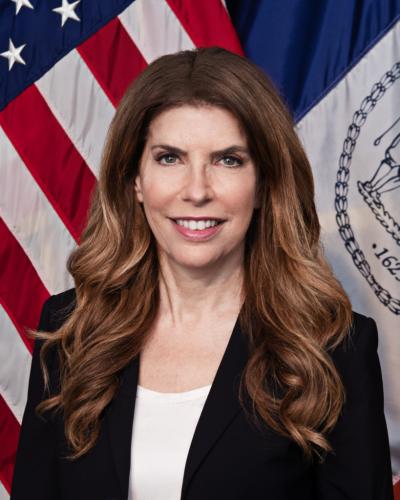
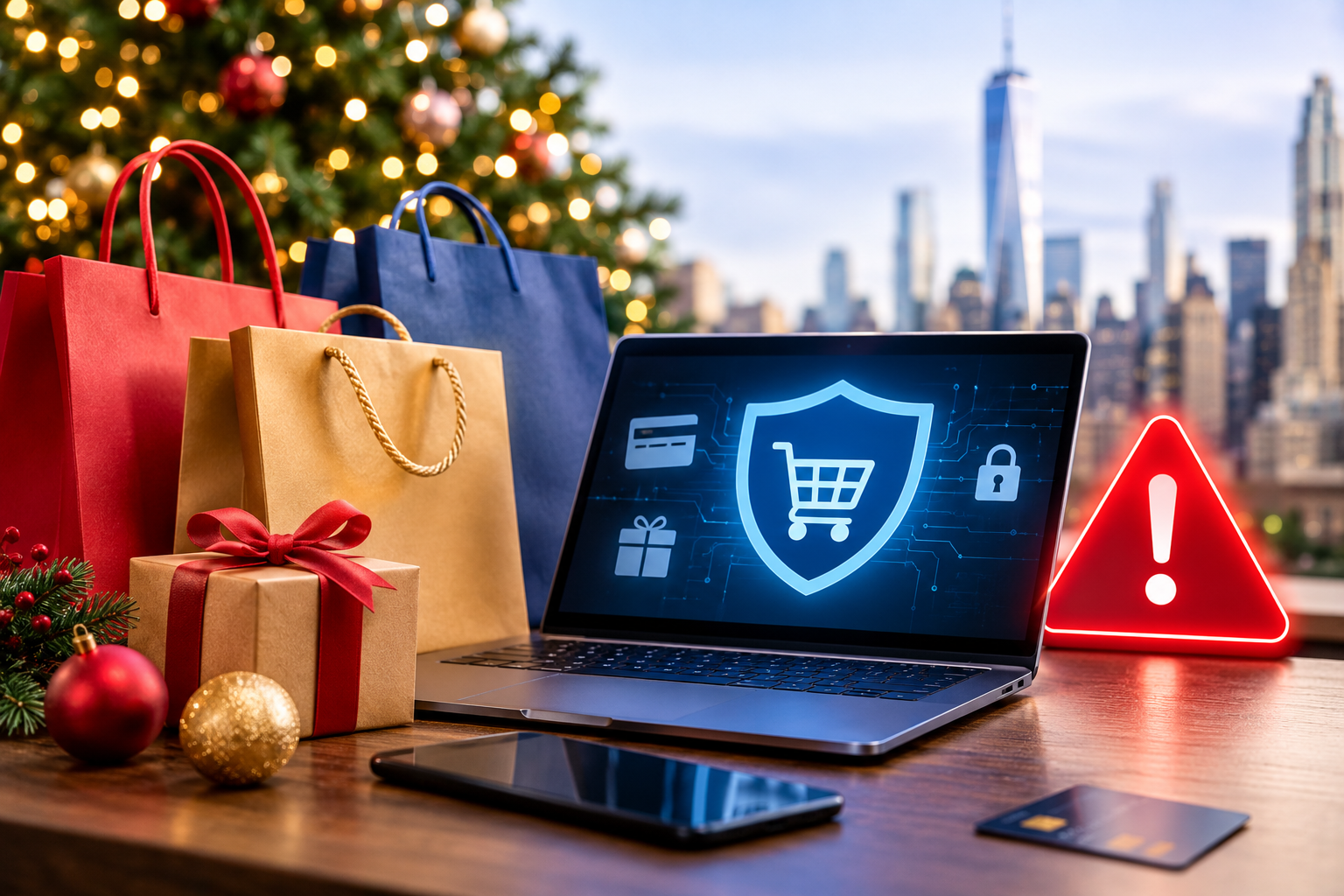
NEW YORK – New York Attorney General Letitia James today issued a consumer alert warning New Yorkers to be cautious while shopping during Black Friday and the holiday season. Scammers often take advantage of the holiday shopping season to defraud consumers with phishing attempts, misleading deals, and other frauds. Attorney General James urges all New Yorkers to beware of potential scams and take action to protect their personal information while shopping, particularly when using artificial intelligence (AI) tools. New Yorkers are encouraged to report fraudulent activity by filing a complaint online with the Office of the Attorney General (OAG).
“As New Yorkers prepare to celebrate the holidays with loved ones, they should beware of scammers who use this time of year to take advantage of their generosity,” said Attorney General James. “I encourage anyone shopping for the holidays to protect themselves, their families, and their private information by remaining vigilant of potential scams. No one should hesitate to report any suspicious activity they encounter to my office.”
To help New Yorkers shop safely, Attorney General James issued the following tips to help consumers ensure their hard-earned money is being used fairly and going toward legitimate purchases:
- Check your receipts to ensure the prices you are charged match the prices on the shelf.
- New York law requires retail stores to ensure that the price charged for an item is equivalent to the lowest advertised, written, posted, or marked price offered. State and local laws also require retail stores to score at least 98 percent on price accuracy inspections from Weights and Measures officials.
- Consumers who believe they were charged a higher price at the register than the price marked elsewhere in the store should file a complaint with OAG.
- Take caution when making purchases with buy-now-pay-later (BNPL) loans, and carefully review any interest and other finance charges.
- Unlike credit card purchases, many BNPL loans carry interest rates that you must pay regardless of whether you pay the loan on time. In addition, some BNPL providers charge late fees for missed payments, which can quickly increase the overall cost of the purchase. Missed payments may also be reported to credit bureaus, potentially impacting a consumer's credit score.
- Make sure to carefully review the terms and conditions of any BNPL loan, including payment schedules, interest rates and fees. Monitor your accounts closely and make all payments on time.
- Carefully review the terms and cancellation policies when signing up for a subscription with recurring payments.
- New York law requires subscription terms to be clearly disclosed to customers, including the minimum term, the fact that the subscription renews, and the cancellation policy. Businesses must also obtain consent for automatic renewals, provide a post-purchase acknowledgment, and offer an easy cancellation mechanism.
- Attorney General James has consistently taken action to stop subscription payment traps and has secured hundreds of thousands of dollars for consumers from an online medication provider, a book publishing company, and Bloomberg News. Consumers who cannot easily cancel a subscription should file a complaint with OAG.
- Before you start shopping, secure your devices to protect your personal information.
- Change your Wi-Fi password if it has not been updated in a while and avoid public Wi-Fi when making online purchases. Your home network is much safer.
- Install the latest security updates on your phones, tablets, and computers.
- Ensure antivirus software is active and up to date to protect against potential malware.
- Be wary of holiday deals that seem too good to be true.
- Be cautious of emails with subject lines like “Exclusive Holiday Deals” or “Free Gift Cards” — these are often phishing attempts.
- If you receive unexpected holiday e-cards or invitations in the mail, verify the sender before opening any links or attachments.
- Carefully review the websites on which you are shopping.
- Stick to reputable retailers and always verify website URLs before entering payment details.
- When buying items from a website, make sure the company has an operating customer service number, lists an actual street address for its business, and has a record of satisfactory service from former customers. A company trying to scam consumers is more likely to have no working telephone number or to list only a post office box as its address.
- Carefully review all the charges that may apply. Many "bargain" websites make up the difference with hefty fees in delivery, processing, or subscription. Some companies will increase these fees around the holidays.
- Be cautious when using AI tools to help make a purchase.
- Review what specific accounts and personal information the AI tool would be able to access and consider limiting that access as much as possible.
- If you are using an AI tool that can make purchases on your behalf, make sure to set clear spending limits and purchasing rules. Require human approval before purchases whenever that option is available.
- Make sure you pay a fair price.
- Some websites may set individual prices based on your personal data, a practice known as surveillance pricing. To ensure you don’t pay a higher price than someone else, compare prices across multiple retailers and shopping platforms and check prices using private or incognito browsing windows when possible. If shopping with a loyalty account, check prices when logged out of that account as well.
- New York’s Algorithmic Pricing Disclosure Act requires most businesses to display a clear disclosure near prices stating, “THIS PRICE WAS SET BY AN ALGORITHM USING YOUR PERSONAL DATA,” if they are using your personal information to set a price. Do not hesitate to file a complaint with OAG if you encounter algorithmic pricing that is not properly disclosed.
- Some retailers may use crossed-out prices and discount labels to make a purported deal appear more valuable than it is. Before buying a product, review the price history where possible and compare the price with what other retailers are charging to make sure the advertised “deal” offers real savings.
- Protect yourself after you buy.
- Save any verifications and receipts from online retailers for future access. If you have not received the product when promised, reach out to the company in a firm but polite inquiry. If the company does not respond to your requests, you can file an online complaint with OAG or by phone at 1-800-771-7755.
- Always review your monthly credit card and bank statements carefully for unauthorized charges. Scam artists often take advantage of the increase in purchases during the holidays, expecting that phony charges will go unnoticed or uncorrected for a longer period of time.
- If you believe you have been charged for an item that you did not authorize or have not received in a reasonable amount of time, report this to your credit card company as soon as possible.
Source: New York Attorney General Office
Primary Topic: Affordability
Publish First On: Affordability.NYC
Secondary Topics: Business, Law & Legislation, Science & Technology
Reason: The alert focuses on helping New Yorkers avoid financial losses, hidden charges, misleading prices, and fraud during the holiday shopping season.