Science & Technology
 ">
">
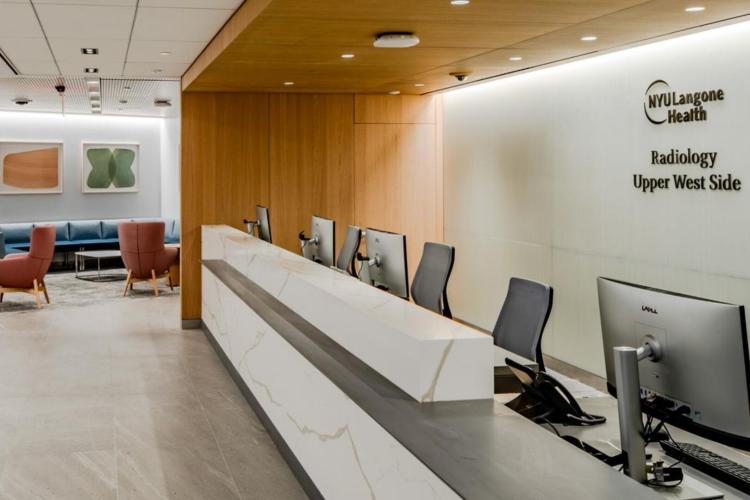 ">
">NYU Langone Opens Imaging Center on Upper West Side
- NYC Health News
- 20 hours ago
NYU Langone Health has opened a 28,000-square-foot radiology center at 1980 Broadway on Manhattan's Upper West Side, expanding access to advanced diagnostic imaging services. The facility offers integrated PET/MR imaging for evaluating certain cancers and neurological conditions, advanced cardiac CT scans to assess the heart and blood vessels, and 3D mammography supported by artificial intelligence tools for breast cancer detection. Patients can also access additional imaging services interpreted by subspecialty-trained radiologists. The new location is connected to NYU Langone's electronic health records system, allowing patients to manage appointments and review health information through its mobile app and MyChart portal. The expansion brings multiple diagnostic services together in one neighborhood facility.
- NYC Health News
- 20 hours ago
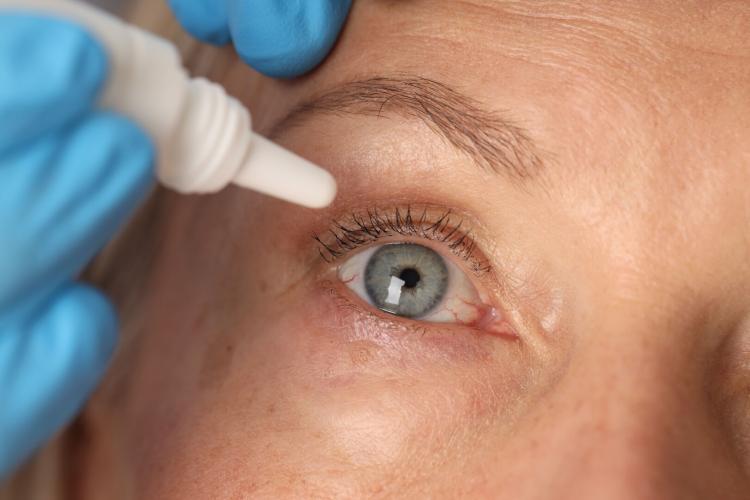 ">
">NYU Langone Eye Drops May Reduce Corneal Transplants
- NYC Health News
- 4 days ago
NYU Langone Health researchers are presenting advances in eye disease treatment and transplantation at major ophthalmology meetings in New Orleans from October 9 through 12. A central finding comes from a randomized clinical trial examining ripasudil eye drops after a corneal procedure for Fuchs dystrophy. Among patients receiving the medication in a reported treatment group, 81% experienced complete resolution of corneal swelling, compared with 9% in the placebo group. The research suggests the approach could help some patients avoid donor corneal transplants. Additional presentations address treatments for abnormal corneal blood vessels, severe eye damage associated with vitamin A deficiency, and emerging technologies supporting research into whole-eye transplantation.
- NYC Health News
- 4 days ago
 ">
">NYU Langone Tests AI to Detect Heart Transplant Rejection
- NYC Health News
- 6 days ago
NYU Langone Health researchers are studying whether artificial intelligence can help identify heart transplant rejection while reducing the need for invasive biopsies. Researchers trained AI models using thousands of EKG readings from adult heart transplant recipients and combined the heart rhythm data with results from two blood biomarkers used to assess rejection risk. In a separate test group of 38 transplant recipients, the combined model correctly identified 94% of patients who were not experiencing rejection, according to the study. Researchers said the approach could potentially spare some patients from unnecessary heart biopsies while helping physicians identify rejection earlier. The team plans to test the model in more patients across multiple transplant centers before determining its broader clinical usefulness.
- NYC Health News
- 6 days ago
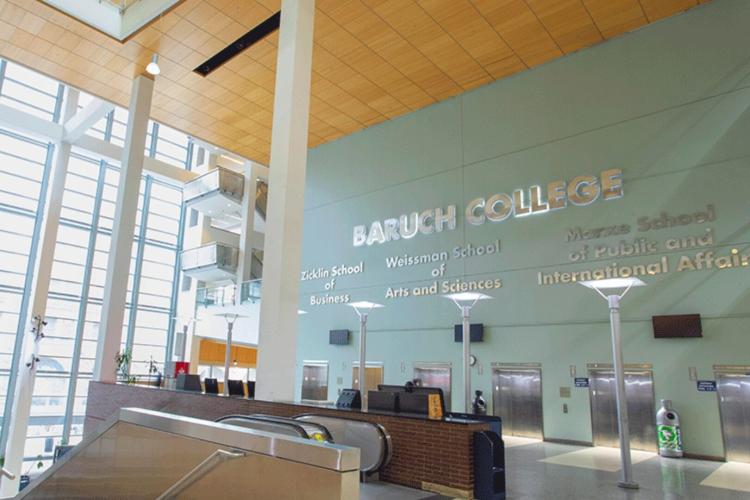 ">
">Baruch Gets $776K Federal Grant to Expand AI Education
- NYC Education News
- 6 days ago
Baruch College has received $776,033 in first-year federal funding to expand artificial intelligence education and applied learning across its three schools. The Title III Strengthening Institutions Program award will support Baruch's AI Leadership Initiative, including curriculum development, faculty and staff training, student services and preparation for an increasingly AI-enabled workforce. Funding will also expand the college's AI Learning Commons and advance its Applied Intelligence Lab, where students will be able to participate in supervised projects and experiential learning. Baruch plans to incorporate responsible AI use into its curriculum, including evaluating AI-generated content, identifying misinformation and bias, protecting privacy and understanding when human judgment should take precedence. The initiative was launched in spring 2026.
- NYC Education News
- 6 days ago
 ">
">Man Gets 18 Months in NY for $8M AI Music Streaming Fraud
- NYC Law & Legislation News
- 6 days ago
A North Carolina man was sentenced in Manhattan federal court to 18 months in prison for using AI-generated music and automated streaming accounts to fraudulently collect millions of dollars in royalties. Michael Smith previously pleaded guilty to conspiracy to commit wire fraud after prosecutors said he created thousands of accounts on major music streaming platforms and used bots to continuously play songs he controlled. Smith used hundreds of thousands of AI-generated songs to spread the fraudulent streams across a large catalog and avoid detection. His bot accounts ultimately generated billions of streams and more than $8 million in fraudulent royalty payments, according to the U.S. Attorney's Office for the Southern District of New York. Smith was also ordered to forfeit more than $8.09 million.
- NYC Law & Legislation News
- 6 days ago
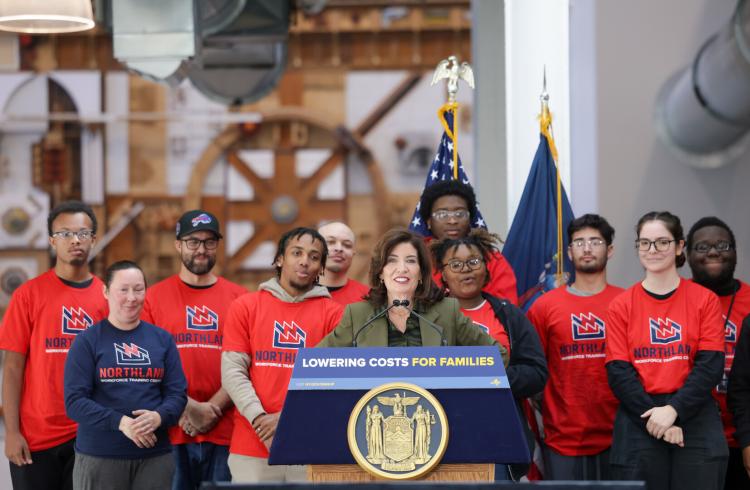 ">
">NY Expands Free College to Adults With Prior Degrees
- NYC Education News
- 1 week ago
New York is expanding its free community college initiative to allow adults ages 25 to 55 who already have a college degree to return to SUNY or CUNY for a free associate degree in a high-demand field. Beginning with the Spring 2027 semester, eligible New Yorkers will be able to pursue programs in areas such as cybersecurity, engineering, advanced manufacturing and other growing industries without paying tuition, fees, books or required supplies. The expansion removes a previous restriction that generally limited the program to adults without a college degree. More than 15,000 adult learners have participated since the initiative launched in 2025, according to the Governor's announcement. Applications under the expanded eligibility rules are expected to open through individual SUNY and CUNY campuses over the coming months.
- NYC Education News
- 1 week ago
 ">
">CUNY Gets $1.5M for Paid STEM Research Program
- NYC Education News
- 1 week ago
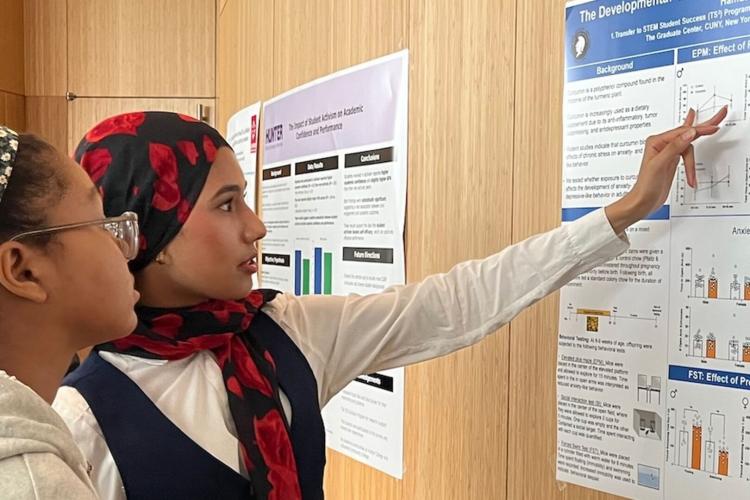
CUNY has received $1.5 million from the Alfred P. Sloan Foundation to extend its Transfer to STEM Student Success program for another three years. The initiative supports students moving from CUNY community colleges into STEM bachelor's degree programs at City College, Hunter College, Lehman College and Queens College. The renewed funding is expected to provide research and professional development opportunities to 84 transfer students over the grant period. Participants who complete a full year receive $7,000 and take part in workshops, faculty-mentored summer research and a university-wide symposium. The program, launched in 2023, has already provided year-long experiences and laboratory research opportunities to more than 100 students.
- NYC Education News
- 1 week ago
 ">
">NYU Launches NYC Center to Study Microplastics and Health
- Science & Technology
- 1 week ago
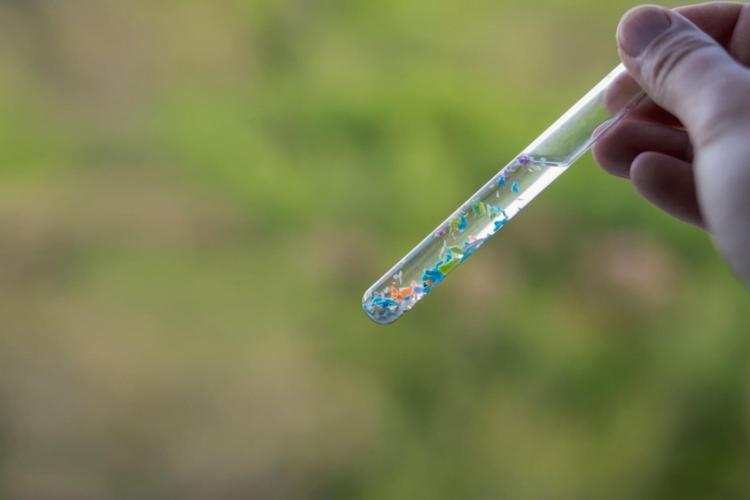
NYU has launched a new research center bringing engineers and medical researchers together to study the health and environmental effects of plastics and develop safer materials. The NYC Center for Healthier Plastic Solutions is a joint initiative of NYU Tandon School of Engineering and NYU Grossman School of Medicine and is described by NYU as the first U.S. research center dedicated to addressing the full range of health and environmental threats posed by plastics. Researchers will develop and test hundreds of new plastic formulations, including non-petroleum materials, while using artificial intelligence to analyze results and identify promising alternatives. The initiative is supported by more than a dozen active NYU Grossman research projects and nearly $20 million in funding underway in 2026.
- Science & Technology
- 1 week ago
 ">
">NYU Langone Uses AI to Improve Radiology Training
- Science & Technology
- 1 week ago
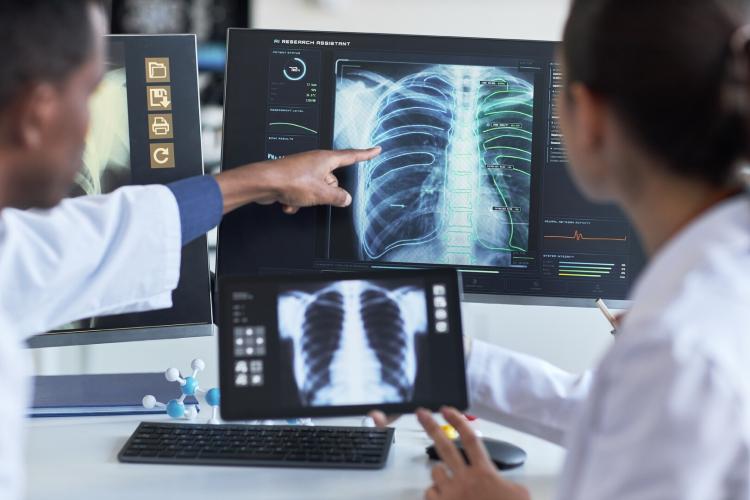
NYU Langone Health researchers have developed an artificial intelligence-based approach designed to identify gaps in radiology residents' clinical training and provide personalized teaching cases. The system tracked the types of conditions residents encountered during their regular clinical work and identified important pathologies they had seen less frequently. Researchers then used ChatGPT-4o to help select three to five supplemental cases for each resident, which appeared alongside their regular clinical work and were reviewed with supervising physicians. The study found that the AI could identify exposure gaps and recommend needed case pathologies with more than 90% accuracy. Researchers say the approach could eventually be expanded to additional radiology specialties.
- Science & Technology
- 1 week ago