Science & Technology
 ">
">
 ">
">Columbia: NYC Loses $300M in Natural Gas Annually
- Science & Technology
- 1 week ago
A Columbia University study offers new insight into a major source of methane emissions across the New York City metropolitan area, pointing to natural gas consumption in buildings rather than primarily to leaks from underground pipelines. Researchers found that methane releases closely followed seasonal gas demand, including during both winter heating and summer cooling periods. Their analysis suggests inefficient combustion in building systems may account for a significant share of emissions that previous inventories have underestimated. The researchers estimate methane associated with natural gas represents about 1.7% of gas delivered across the system, with the lost fuel potentially worth nearly $300 million based on recent retail prices. The findings could give New York City another avenue for reducing greenhouse-gas emissions while improving energy efficiency and lowering the economic cost of wasted natural gas.
- Science & Technology
- 1 week ago
 ">
">NYU AI Improves 5-Year Breast Cancer Risk Prediction
- NYC Health News
- 1 week ago
Researchers at NYU Langone Health and Perlmutter Cancer Center have developed an artificial intelligence system designed to improve how doctors estimate a woman’s likelihood of developing breast cancer within five years. The technology evaluates changes visible across multiple years of 3D mammograms rather than relying on a single screening or primarily on traditional risk factors. In a large study involving more than 161,000 women, the approach outperformed models based on one 3D mammogram, AI-assisted 2D imaging and a commonly used clinical risk assessment. Researchers say the findings could eventually help physicians personalize breast cancer screening by identifying women who may benefit from additional monitoring while reducing unnecessary supplemental testing for patients whose imaging indicates lower risk.
- NYC Health News
- 1 week ago
 ">
">NYU Study Links GLP-1 Drugs to Male Hair Loss Risk
- NYC Health News
- 2 weeks ago
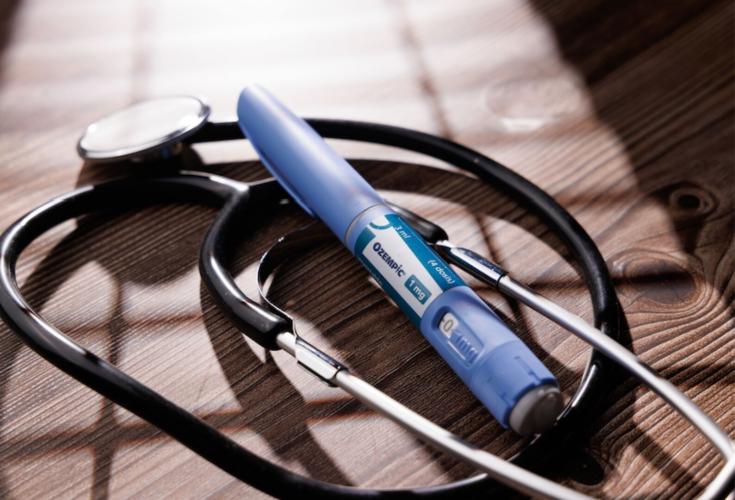
A new NYU Langone Health study has identified a genetic connection that may help explain why some men experience hair loss while using GLP-1 medications such as Ozempic, Wegovy and Zepbound. Researchers found that men already genetically predisposed to androgenetic alopecia, commonly known as male-pattern hair loss, could face an additional 7 percent risk associated with GLP-1 activity. The findings go beyond previous theories that hair shedding among people taking the medications is primarily caused by rapid weight loss. Researchers say additional studies are needed to understand the biological mechanism and determine whether a similar genetic relationship exists in women.
- NYC Health News
- 2 weeks ago
 ">
">NYC Schools Pause Generative AI for Younger Students
- NYC Education News
- 2 weeks ago
New York City is putting new limits on how artificial intelligence and other technology are used in public school classrooms, with a one-year moratorium on student-facing generative AI for students from 2-K through eighth grade. The policy, which will affect nearly 600,000 students, also establishes screen-time guidelines while taking a more controlled approach to AI for older students. High school students will receive AI literacy instruction, and a limited number will participate in supervised pilot programs designed to test educational uses of the technology. A new Technology in Schools Coalition will evaluate the policy and pilots during the 2026-27 school year and make recommendations about the future role of AI in NYC schools.
- NYC Education News
- 2 weeks ago
 ">
">Mount Sinai Launches Genomic AI Research Center
- NYC Health News
- 2 weeks ago
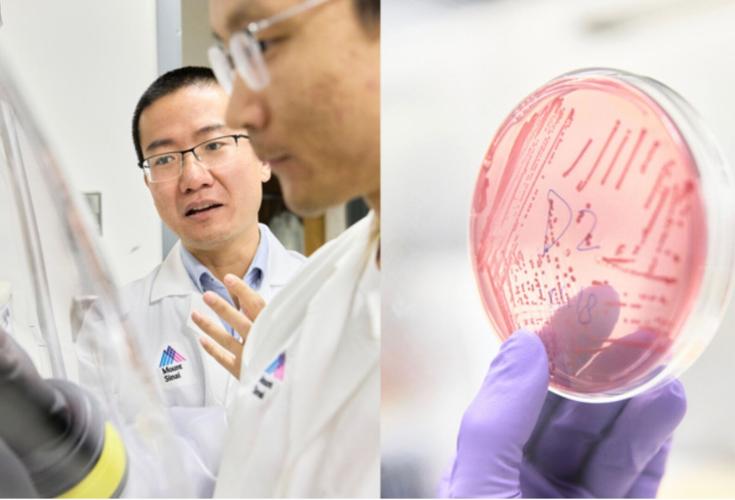
Mount Sinai’s Icahn School of Medicine has established a new research center that will explore how genetics and the microorganisms living in the human gut may work together to influence disease development and patient outcomes. Using advanced sequencing technologies and artificial intelligence, researchers plan to analyze complex biological data in search of patterns that could help explain why diseases progress differently among patients and why individuals can respond differently to the same treatments. Initial research will concentrate on Alzheimer’s disease, Parkinson’s disease and gastrointestinal cancers, with the broader goal of supporting more personalized approaches to disease risk, diagnosis and treatment.
- NYC Health News
- 2 weeks ago
 ">
">Columbia-Led XENONnT Detects Solar Neutrinos
- NYC Education News
- 2 weeks ago
A research team led by Columbia University physicist Elena Aprile has reached a major milestone with the XENONnT experiment, detecting solar neutrinos at energies lower than previously achieved through direct observation. Researchers measured neutrinos produced by the fusion reactions that power the Sun by identifying their interactions with electrons inside XENONnT's ultra-pure liquid xenon detector. The experiment, built primarily to search for dark matter, recorded the signal at the level of statistical significance used by particle physicists to establish a discovery. The findings demonstrate how technology developed for dark matter research can also advance the study of neutrinos and other extremely rare particle interactions.
- NYC Education News
- 2 weeks ago
 ">
">Voices of NYC: AI Starts With Teacher Learning
- Voices of NYC
- 1 month ago
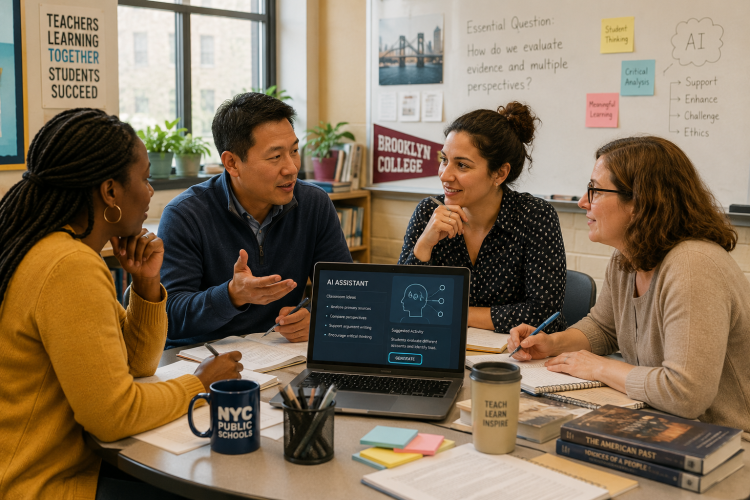
As schools rapidly adopt artificial intelligence tools, the conversation often centers on how students will use them. In this Voices of NYC commentary, Brooklyn College professor Dr. Sonia Murrow argues that the greater challenge is ensuring teachers receive the ongoing support needed to adapt their instruction. Drawing on interviews with New York City educators, she contends that while AI technology is advancing quickly, professional learning has not kept pace. Rather than relying on occasional workshops, she makes the case for sustained collaboration that helps teachers thoughtfully integrate AI while preserving critical thinking and meaningful learning in the classroom.
- Voices of NYC
- 1 month ago