NYC Transportation
 ">
 ">
NYC Announces $25M Winter Safety and Snow Plan
- NYC Politics News
- 4 days ago
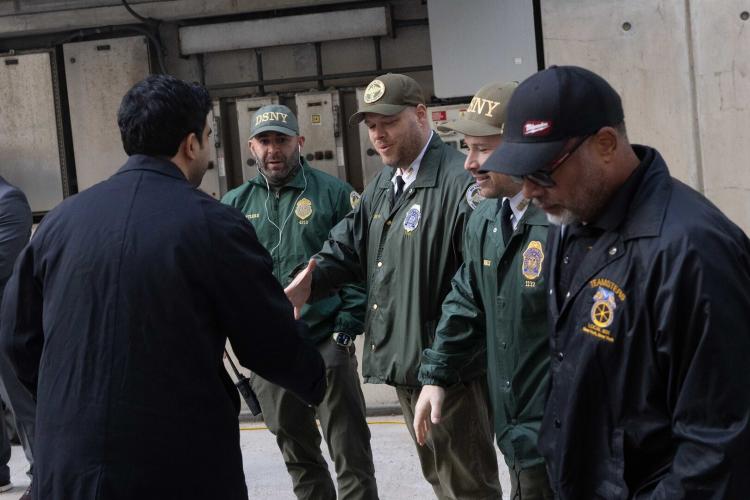
Mayor Zohran Mamdani announced an expanded winter preparedness plan for New York City, including $25 million in new funding for Code Blue services and additional snow removal resources. The initiative will add more than 300 outreach workers, up to 55 mobile medical units and 800 low-barrier shelter beds to help protect vulnerable residents during extreme cold. The Department of Sanitation has prepared more than 2,200 snowplow-capable vehicles, over 700 salt spreaders and 7,000 trained workers. City agencies are also strengthening heating inspections, emergency communications, public housing maintenance and pedestrian snow clearing ahead of the 2026–2027 winter season.
- NYC Politics News
- 4 days ago
 ">
CUNY Free OMNY Card Program Reaches 99% Uptake
- NYC Education News
- 1 week ago
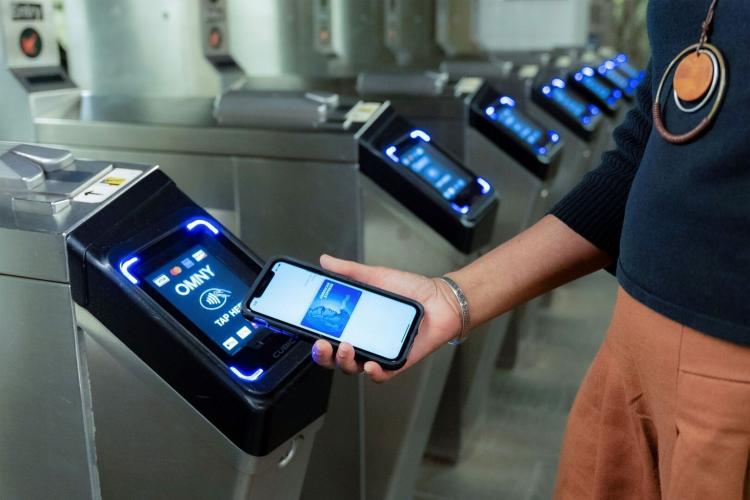
A New York City initiative covering public transportation costs for selected CUNY students has recorded nearly complete participation in its first distribution phase. Of 700 students offered free, unlimited OMNY cards, 693 have collected them, according to university and City Council officials. The $700,000 pilot targets financially eligible full-time students attending in-person classes. Interest extends far beyond the initial recipients, with more than 28,500 students requesting consideration. Cards provide unlimited transit during designated fall and spring periods. The program addresses commuting expenses that can complicate college attendance, although its longer-term impact on student retention has not yet been established.
- NYC Education News
- 1 week ago
 ">
NYC Plans 2.1-Mile Third Avenue Redesign in Brooklyn
- NYC Transportation
- 1 week ago
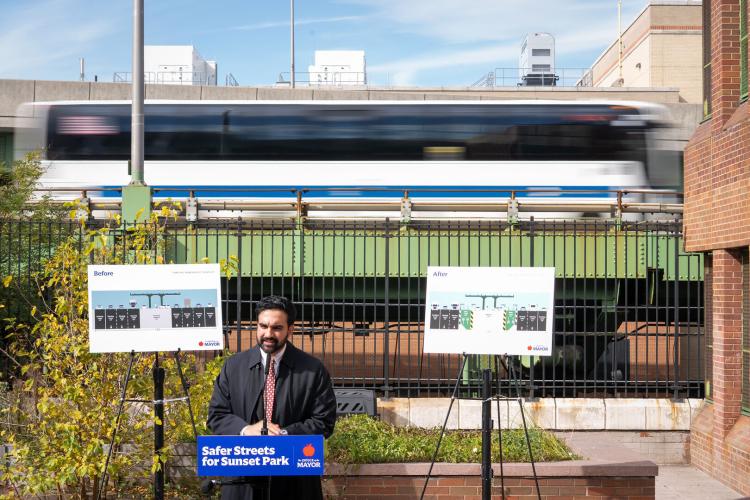
New York City plans to overhaul a dangerous stretch of Brooklyn's Third Avenue following years of fatal traffic crashes. The 2.1-mile project, spanning 20th Street to 62nd Street, will introduce protected bicycle lanes, redesigned intersections and shorter pedestrian crossings. City officials report that 17 people have died along the corridor over the past decade, prompting calls for stronger safety measures. Construction will begin in 2027, with additional improvements scheduled for 2028. The project also includes a new bicycle connection along 60th Street and forms part of the city's broader Vision Zero initiative to reduce traffic deaths and serious injuries.
- NYC Transportation
- 1 week ago
 ">
Central Park Begins $35.7M Project to Cut Flooding
- NYC Politics News
- 2 weeks ago
New York City has broken ground on a $35.7 million water infrastructure project in northern Central Park designed to reduce flooding in Harlem and East Harlem while conserving drinking water. The North End Recirculation Project will connect and manage water flow among the Harlem Meer, the Loch and the Pool, allowing the park to capture more rainfall during storms and reduce pressure on surrounding sewer systems. Officials estimate the improvements will keep approximately 132 million gallons of water out of local sewers annually and conserve 175 million gallons of drinking water each year. The project will also improve water quality and help reduce harmful algal blooms. Funded through city, state and private contributions, construction is expected to finish in fall 2028.
- NYC Politics News
- 2 weeks ago
 ">
NYC to Add Real-Time Bus Arrival Screens at 700 Stops
- NYC Transportation
- 2 weeks ago
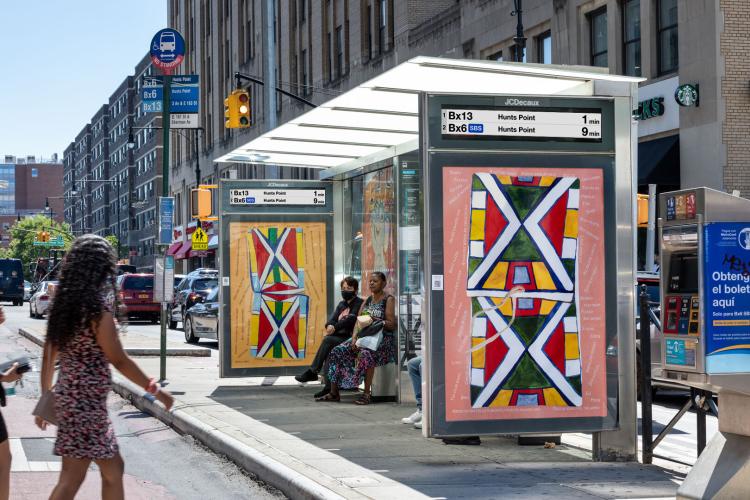
New York City bus riders will soon have access to real-time arrival information at hundreds of additional stops, making it easier to plan trips without relying on a smartphone. The NYC Department of Transportation plans to work with bus shelter operator JCDecaux to double the number of stops offering arrival information from approximately 700 to 1,400, beginning this year and reaching all five boroughs. The expansion is part of the city's Next Stop bus improvement plan, which aims to provide real-time information at 2,900 stops by 2030. Digital screens will show expected bus arrival times, helping riders manage their wait and make more informed travel decisions. Additional displays are also planned for bus stop poles.
- NYC Transportation
- 2 weeks ago
 ">
NYC to Expand Speed-Limiting Tech to 3,000 Vehicles
- NYC Transportation
- 2 weeks ago
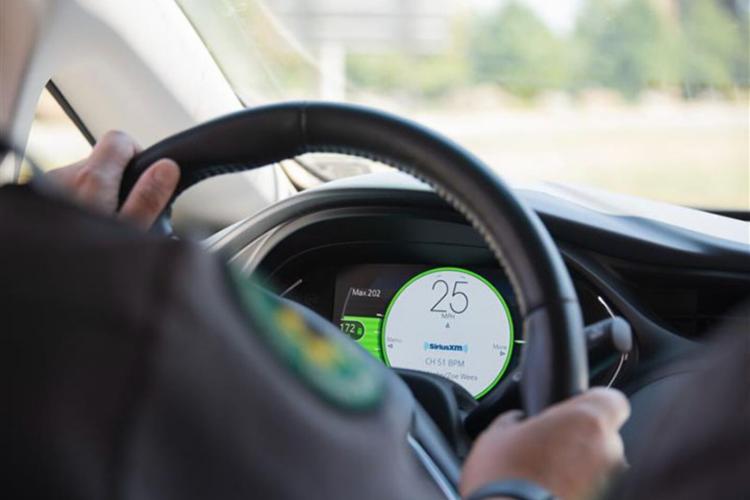
New York City is expanding technology designed to prevent municipal vehicles from exceeding posted speed limits, following reported reductions in speeding during an earlier rollout. The city plans to equip 2,000 additional vehicles with intelligent speed assistance over three years, bringing the program to 3,000 vehicles. The system limits acceleration when drivers exceed designated speed thresholds, helping reduce speeding on streets shared with pedestrians, cyclists and other motorists. A federal and city study found that speeding declined 64% among equipped vehicles, including an 82% reduction on high-speed roads. The announcement also includes a separate pilot to test pedestrian warning systems on 100 school buses, extending the city's fleet safety efforts to student transportation.
- NYC Transportation
- 2 weeks ago
 ">
Van Wyck $1.4B Upgrade Opens New Airport Lanes
- NYC Transportation
- 2 weeks ago
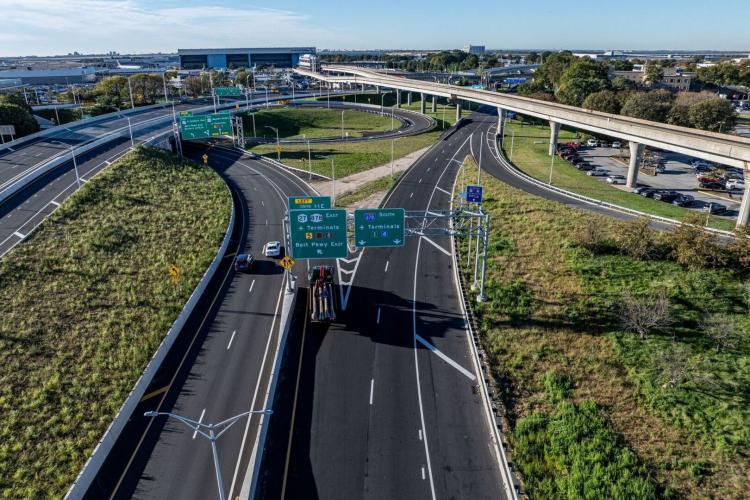
For years, New Yorkers and visitors traveling to and from John F. Kennedy International Airport have faced frustrating traffic delays on the Van Wyck Expressway, where heavy airport traffic, merging vehicles and years of construction have contributed to slow-moving commutes and unpredictable travel times. Now, new high-occupancy vehicle lanes have opened in both directions as part of a $1.4 billion modernization project designed to ease one of Queens' most persistent transportation bottlenecks. The lanes accommodate buses, taxis, for-hire vehicles and private cars carrying at least two people, including the driver. Redesigned entrance and exit ramps are also intended to reduce traffic backups, while upgraded drainage systems aim to prevent flooding-related disruptions. With major highway construction substantially complete, the improvements are expected to provide smoother, more reliable access to JFK, although actual reductions in travel times have yet to be measured.
- NYC Transportation
- 2 weeks ago
 ">
MTA Renames Jamaica Center Station for York College
- NYC Education News
- 2 weeks ago
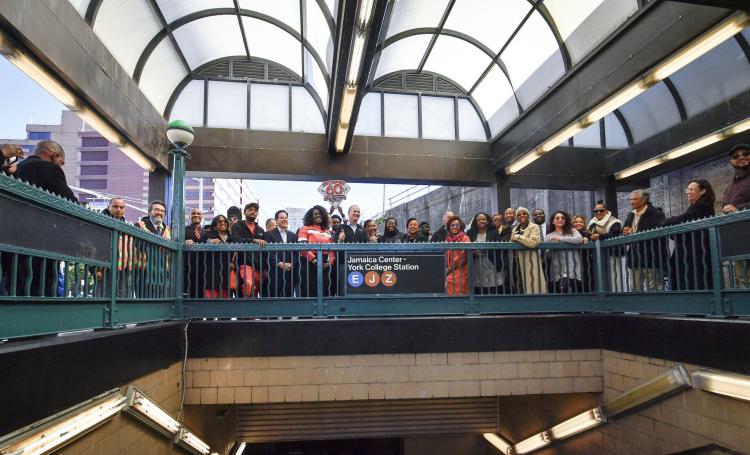
For thousands of students traveling to York College in Jamaica, Queens, a familiar subway stop now carries the name of their destination. The MTA has renamed Jamaica Center–Parsons/Archer to Jamaica Center–York College, formally recognizing the CUNY institution as it celebrates its 60th anniversary. The station serves approximately 23,000 weekday riders and connects the E, J and Z subway lines with 30 bus routes. With roughly 80 percent of York College students relying on public transportation, the new name is intended to make campus navigation easier while highlighting the college's longstanding role in Southeast Queens. The change also places York College among nine CUNY institutions recognized in New York City's subway station names.
- NYC Education News
- 2 weeks ago
 ">
MTA Launches $1.9B A and C Subway Signal Upgrade
- NYC Transportation
- 3 weeks ago
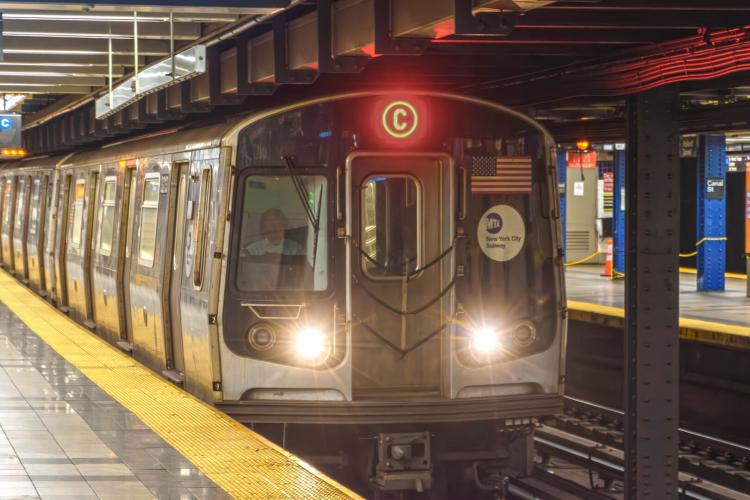
Subway riders traveling between Brooklyn and Queens are set to benefit from a major infrastructure investment aimed at addressing one of New York City's persistent transit problems: delays caused by aging signal equipment. The MTA has begun a $1.9 billion modernization of the A and C subway corridors, replacing technology dating to the 1930s with a computerized system that can better manage train movements. Funded through congestion pricing revenue, the project covers 42 track miles and 23 stations used by approximately 350,000 passengers each weekday. Construction will begin with track and switch replacements in Queens, while the full modernization is scheduled for completion in 2032. The investment is intended to support more frequent and reliable subway service.
- NYC Transportation
- 3 weeks ago