NYC Health News
 ">
">
 ">
">NYC Health Initiative Supports 5,000 in Brownsville
- NYC Health News
- 19 hours ago
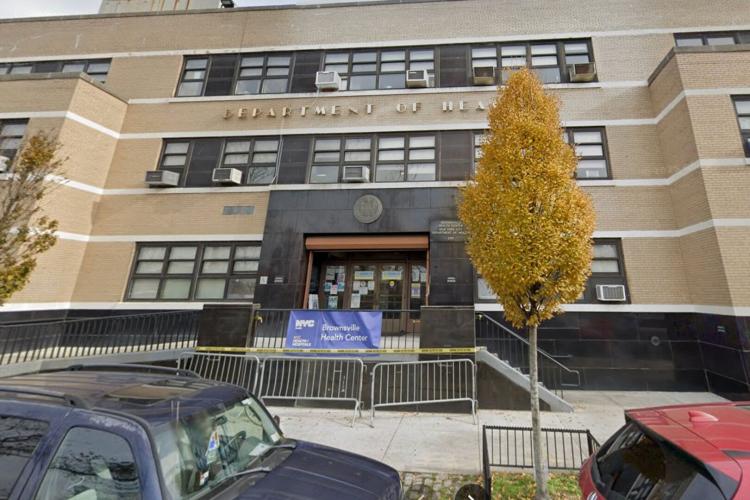
Managing high blood pressure often requires more than an occasional doctor's appointment, particularly when residents face barriers to transportation, affordable services or ongoing care. In Brownsville, Brooklyn, a three-year public health initiative brought healthcare providers and neighborhood organizations together to make hypertension support more accessible. The NYC Health Department reports that the project strengthened care systems serving thousands of patients, including 5,481 Brownsville residents diagnosed with hypertension. Community health workers helped connect residents with blood pressure monitoring, health education and local services. Although federal grant funding ended in September, workshops at NYCHA developments and referral connections will continue, preserving parts of a neighborhood-based approach to chronic disease management.
- NYC Health News
- 19 hours ago
 ">
">York College to Launch Evening Nursing Program in 2027
- NYC Education News
- 1 day ago
For New Yorkers interested in nursing careers, finding time for college while maintaining a job or supporting a family can be a major obstacle. York College in Jamaica, Queens, is introducing a new evening nursing program beginning in spring 2027 to provide an alternative to traditional daytime study. The CUNY institution has educated nursing students for more than four decades, with graduates working in healthcare facilities locally and beyond. The new option will combine evening coursework with clinical experiences, creating additional scheduling flexibility for qualified students pursuing a nursing degree. York College has not yet announced application dates or detailed enrollment requirements, but prospective students can contact its Department of Nursing for information as the launch approaches.
- NYC Education News
- 1 day ago
 ">
">NYU Langone Opens Psychiatric Emergency Unit in Brooklyn
- NYC Health News
- 1 day ago
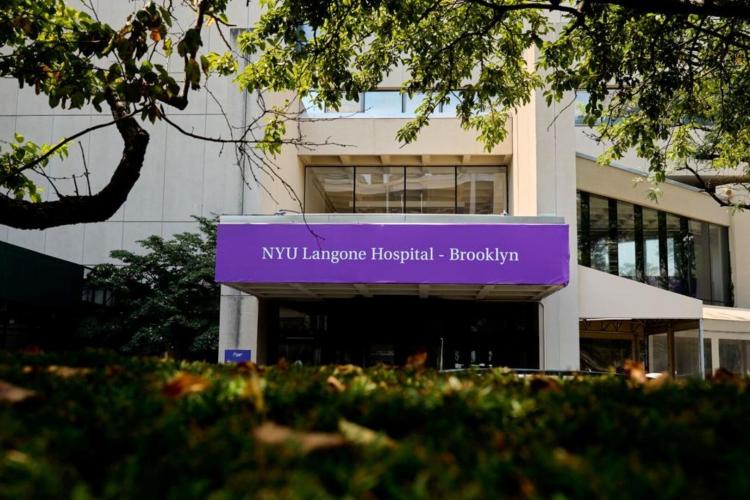
Brooklyn residents experiencing serious mental health crises will have another dedicated treatment setting as NYU Langone Hospital—Brooklyn expands its psychiatric emergency services in Sunset Park. The hospital's new Comprehensive Psychiatric Emergency Program provides space for immediate evaluation, short-term observation and treatment, with access to inpatient care when necessary. The expansion also strengthens the connection between hospital services and community-based mental health support through a mobile crisis team and outpatient facilities. NYU Langone is simultaneously investing in the city's psychiatric workforce through a residency program focused on underserved communities, including immigrant families and patients who need care in languages other than English. Together, the initiatives reflect a broader effort to make psychiatric treatment more accessible across Brooklyn.
- NYC Health News
- 1 day ago
 ">
">Brooke Shields Joins Mount Sinai Prostate Cancer PSA
- NYC Health News
- 4 days ago
Actress Brooke Shields has partnered with Mount Sinai Health System to direct and appear in a public service announcement encouraging families to discuss prostate cancer screening. The 30-second video uses humor before Shields shares her personal experience of losing her father, who had prostate cancer. The campaign coincides with Mount Sinai's launch of EXPAND-PC, a five-year, $4.2 million federally funded research project examining ways to improve screening access in underserved communities. Researchers plan to conduct a feasibility trial involving 240 men across eight New York City Housing Authority communities, supported by mobile screening services and education. Mount Sinai's broader screening initiative aims to encourage informed conversations with health care providers and improve access to follow-up care.
- NYC Health News
- 4 days ago
 ">
">NYC Launches $3M Medicaid and SNAP Assistance Team
- NYC Health News
- 4 days ago
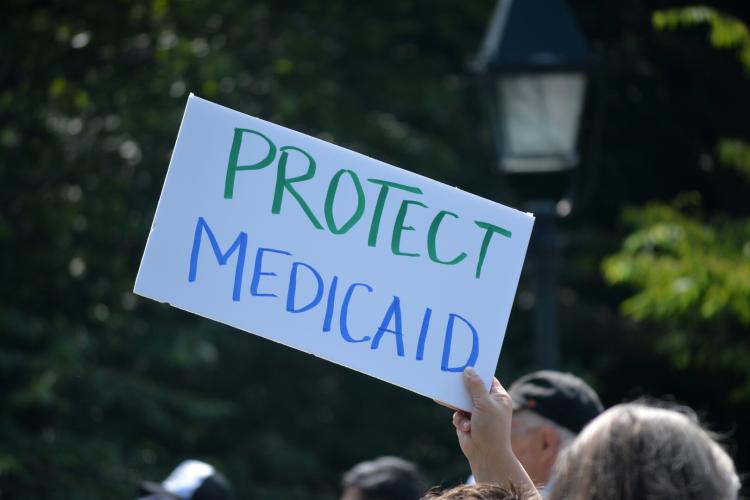
New York City has launched a $3 million Health and Affordability Resource Team (HART) to help residents navigate federal changes to Medicaid and SNAP benefits. Announced by Mayor Zohran Mamdani and the NYC Health Department, the program will deploy trained community health workers to assist New Yorkers with maintaining health coverage, accessing food and cash assistance, obtaining housing support and seeking relief from hospital bills. City officials estimate that as many as 900,000 New Yorkers could be at risk of losing health coverage when new federal Medicaid requirements take effect January 1, 2027. HART workers, who collectively speak 13 languages, will focus on communities most likely to be affected. Residents can call 347-655-0124 for health insurance enrollment assistance.
- NYC Health News
- 4 days ago
 ">
">NY Pediatric Data Breach Leads to $2.64M Settlement
- NYC Health News
- 6 days ago
New York Attorney General Letitia James and Connecticut Attorney General William Tong announced a settlement with Boston Children's Health Physicians and IT management company XTIUM following a 2024 cybersecurity breach that exposed sensitive information belonging to approximately 825,000 New York residents and 62,871 Connecticut residents. Investigators found that the pediatric health network failed to address known security weaknesses, including an unencrypted archive containing more than one million patient billing records. The companies agreed to pay $2.64 million in combined penalties, including $2.1 million to New York, and implement stronger cybersecurity protections. The breach exposed Social Security and driver's license numbers belonging to more than 170,000 New York residents, along with other personal, medical and financial information.
- NYC Health News
- 6 days ago
 ">
">NYU Langone Names Dr. David Cohen Dermatology Chair
- NYC Health News
- 1 week ago
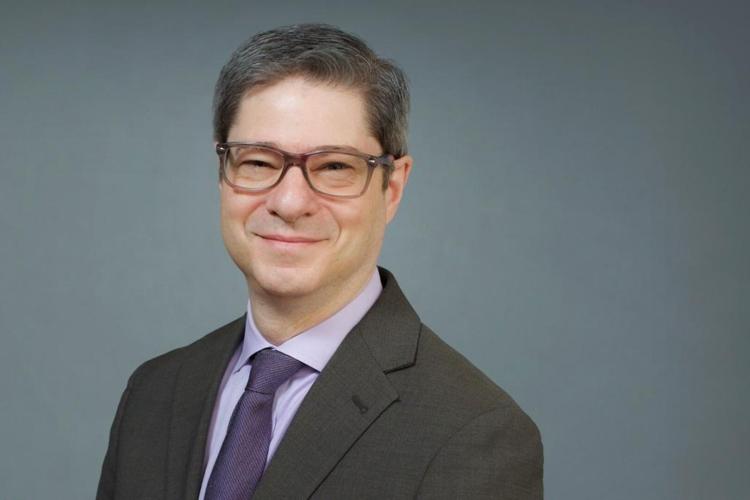
NYU Langone Health has appointed David E. Cohen, MD, MPH, chair of the Ronald O. Perelman Department of Dermatology at NYU Grossman School of Medicine, effective October 1, 2026. Dr. Cohen, who joined NYU Langone in 1994, succeeds Seth J. Orlow, MD, PhD, following his 20-year tenure as department chair. A specialist in inflammatory skin conditions including eczema, psoriasis and rosacea, Cohen has held several clinical and academic leadership positions within the institution. His priorities include expanding patient access, advancing dermatology research and strengthening specialized services in skin cancer, skin allergy testing and dermatopathology. Dr. Orlow will remain on the medical school's faculty and continue contributing to research, education and patient care.
- NYC Health News
- 1 week ago
 ">
">NYU Langone Opens Imaging Center on Upper West Side
- NYC Health News
- 1 week ago
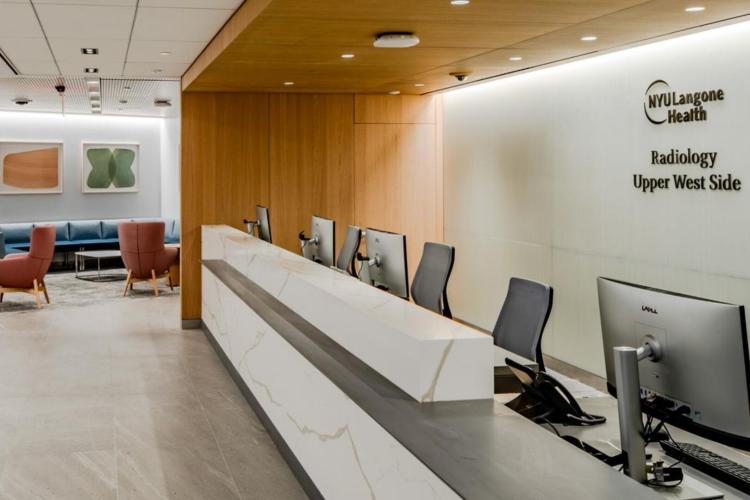
NYU Langone Health has opened a 28,000-square-foot radiology center at 1980 Broadway on Manhattan's Upper West Side, expanding access to advanced diagnostic imaging services. The facility offers integrated PET/MR imaging for evaluating certain cancers and neurological conditions, advanced cardiac CT scans to assess the heart and blood vessels, and 3D mammography supported by artificial intelligence tools for breast cancer detection. Patients can also access additional imaging services interpreted by subspecialty-trained radiologists. The new location is connected to NYU Langone's electronic health records system, allowing patients to manage appointments and review health information through its mobile app and MyChart portal. The expansion brings multiple diagnostic services together in one neighborhood facility.
- NYC Health News
- 1 week ago
 ">
">Elmhurst Hospital Earns Lung Cancer Excellence Honor
- NYC Health News
- 1 week ago
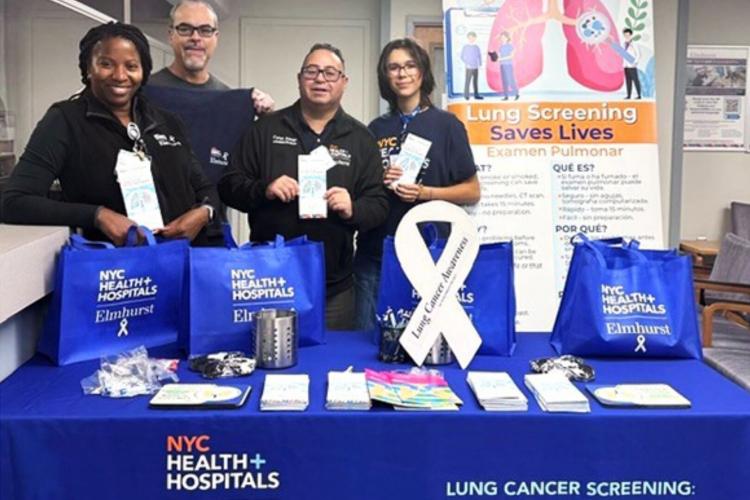
NYC Health + Hospitals/Elmhurst has received renewed recognition from GO2 for Lung Cancer for its efforts to improve lung cancer screening and patient care in Queens. The hospital's Lung Cancer Screening Program provides low-dose CT scans, patient navigation and follow-up services to help identify cancer at earlier stages. Staff also participate in community outreach events, educating residents about screening eligibility and helping them schedule appointments. According to the hospital, nearly 1,000 patients have participated in the program since its launch. Elmhurst joins a national network of more than 350 recognized centers that share resources and practices aimed at improving lung cancer care. The designation highlights the hospital's efforts to expand access to preventive services.
- NYC Health News
- 1 week ago