Mount Sinai
 ">
">
 ">
">Mount Sinai, J&J Partner on New Brain Tumor Treatment
- NYC Health News
- 3 weeks ago
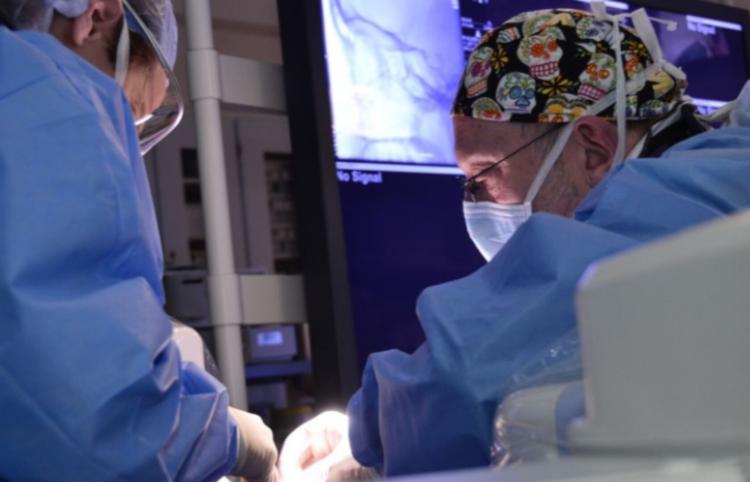
Mount Sinai researchers are collaborating with Johnson & Johnson to evaluate an experimental technology designed to deliver radiation directly to brain tumors through their blood supply. Developed by clinical researchers at the Icahn School of Medicine at Mount Sinai, the approach combines Iodine-131 with Johnson & Johnson's TRUFILL n-BCA in an effort to simultaneously restrict blood flow to a tumor and concentrate radiation within targeted vessels. Initial research will focus on meningiomas, the most common primary brain tumors in adults. Researchers will use patient-derived 3D-printed vascular models and advanced imaging to study how the agent is distributed before moving to preclinical evaluation. The research could provide a foundation for potential future clinical studies.
- NYC Health News
- 3 weeks ago
 ">
">Mount Sinai Study Finds Clues to CAR-T Side Effects
- NYC Health News
- 3 weeks ago
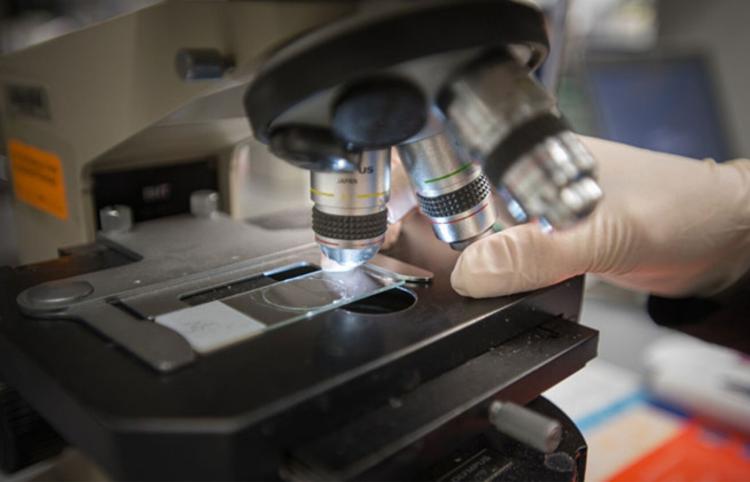
Mount Sinai researchers have identified biological changes that may help explain why some multiple myeloma patients develop a serious intestinal complication following CAR-T cell therapy. The study found that CAR-T cells can remain in intestinal tissue long after treatment and that patients with CAR-T-associated enterocolitis experience widespread disruption involving several types of cells in the gut. Researchers also detected increased activity in inflammatory pathways that could provide targets for future therapies. Two patients treated with the JAK1 inhibitor upadacitinib experienced improvements in symptoms and intestinal inflammation, although further research is needed. The study, led by researchers at the Icahn School of Medicine at Mount Sinai, was published September 23 in Nature Medicine.
- NYC Health News
- 3 weeks ago
 ">
">Mount Sinai Finds New Clues to Alzheimer’s Treatment
- NYC Health News
- 3 weeks ago
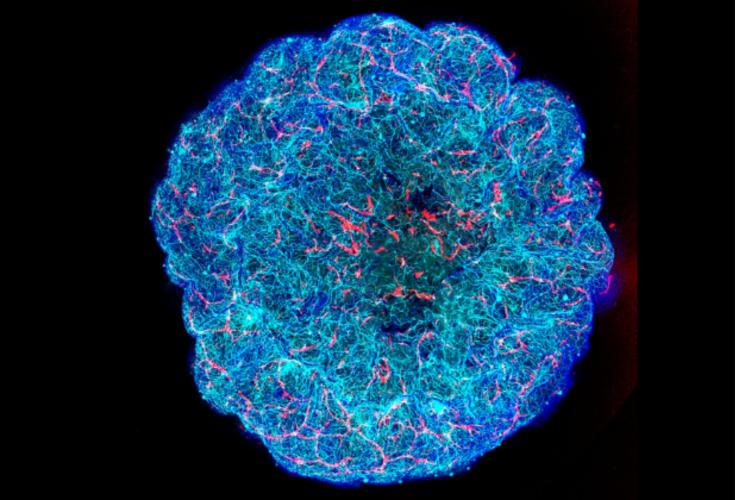
Mount Sinai researchers have uncovered new details about how the APOE4 gene contributes to brain changes associated with Alzheimer's and other neurodegenerative diseases, identifying biological processes that could become targets for future treatments. In two studies published in Cell and Cell Stem Cell, scientists found that APOE4 can contribute to damage in cells supporting brain blood vessels while also disrupting processes involved in clearing abnormal proteins. Researchers were able to reverse some vascular changes in experimental models by blocking a specific signaling pathway. The team also used Mount Sinai's stem cell-derived miBrain platform to recreate complex human brain tissue, providing researchers with a new way to investigate disease mechanisms and potentially test therapies more efficiently.
- NYC Health News
- 3 weeks ago
 ">
">NYC Mount Sinai Studies Link Wildfire Smoke to Health Risks
- NYC Health News
- 1 month ago
New research led by the Icahn School of Medicine at Mount Sinai suggests that long-term exposure to wildfire smoke may carry greater health risks than comparable amounts of air pollution from other sources. Two large studies examined the effects of wildfire-related fine particulate matter, known as PM2.5, on patients with lung cancer and people hospitalized for cardiovascular and respiratory conditions. Researchers found associations between wildfire pollution and poorer survival following lung cancer diagnoses, as well as increased hospitalization risks for conditions affecting the heart and lungs. The findings are particularly relevant as smoke from major fires increasingly travels across large portions of the United States, potentially exposing communities far from active wildfires and raising new questions about how health systems address air-quality risks.
- NYC Health News
- 1 month ago
 ">
">Mount Sinai Expert Joins National COVID Brain Study
- NYC Health News
- 1 month ago
A Mount Sinai researcher in New York City will help evaluate what scientists currently understand about the potential effects of COVID-19 infection on memory, attention, learning and other areas of cognitive functioning. Jacqueline Becker, PhD, of the Icahn School of Medicine at Mount Sinai, has been selected to serve on a National Academies committee reviewing research involving people from childhood through older adulthood. The panel’s work will explore how cognitive outcomes may vary with infection severity, reinfection and long COVID, while also assessing evidence surrounding vaccination and neurological risks. Becker brings extensive experience studying post-COVID cognitive impairment and infection-related chronic conditions, including leadership roles in major federally funded research programs. The committee’s findings are expected to inform understanding of COVID-related cognitive health issues and their potential implications for military personnel, veterans and health care planning.
- NYC Health News
- 1 month ago
 ">
">Mount Sinai Finds New Pancreatic Cancer Target
- NYC Health News
- 1 month ago
Mount Sinai researchers have identified a biological mechanism that may help explain why pancreatic cancer has been particularly resistant to immunotherapy. The research focuses on how a relatively small share of tumor cells can alter their immediate surroundings, creating protected areas that make it harder for the immune system to attack the cancer. Scientists also identified specific proteins and interactions involved in establishing these defenses, providing possible targets for future therapies. In preclinical testing, interfering with the mechanism weakened the tumors’ immune protection and improved the performance of immunotherapy. While the findings are not yet ready to change patient treatment, they offer researchers a promising direction for developing combination therapies against one of the most difficult cancers to treat.
- NYC Health News
- 1 month ago
 ">
">Mount Sinai Launches Genomic AI Research Center
- NYC Health News
- 1 month ago
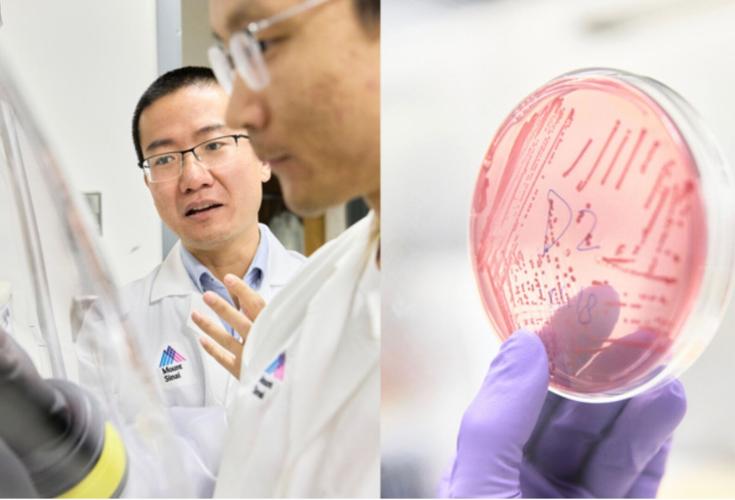
Mount Sinai’s Icahn School of Medicine has established a new research center that will explore how genetics and the microorganisms living in the human gut may work together to influence disease development and patient outcomes. Using advanced sequencing technologies and artificial intelligence, researchers plan to analyze complex biological data in search of patterns that could help explain why diseases progress differently among patients and why individuals can respond differently to the same treatments. Initial research will concentrate on Alzheimer’s disease, Parkinson’s disease and gastrointestinal cancers, with the broader goal of supporting more personalized approaches to disease risk, diagnosis and treatment.
- NYC Health News
- 1 month ago
 ">
">Mount Sinai Returns as US Open Health Partner
- NYC Health News
- 1 month ago
Mount Sinai will support players at the 2026 US Open with a multidisciplinary medical team offering sports medicine, emergency care, diagnostic imaging and other specialized services. The 14th year of the partnership will also include onsite activities designed to promote health, wellness and active lifestyles among tournament fans and families.
- NYC Health News
- 1 month ago
 ">
">Mount Sinai Earns Top National Hospital Recognition
- NYC Press Releases
- 2 months ago
The Mount Sinai Hospital has once again been recognized among the nation's leading hospitals by U.S. News & World Report for 2026-27, extending its Honor Roll streak to 11 consecutive years. The hospital received national recognition across 12 medical specialties, including five ranked in the top 10, while earning the highest "High Performing" designation in all 23 evaluated procedures and conditions. Mount Sinai West, Mount Sinai Morningside, and Mount Sinai South Nassau also received high marks, highlighting the health system's continued leadership in patient care, clinical excellence, research, and health equity throughout New York.
- NYC Press Releases
- 2 months ago