NYC Delivery Worker Earnings Rise Under Minimum Pay Law
NYC Consumer & Worker Protection
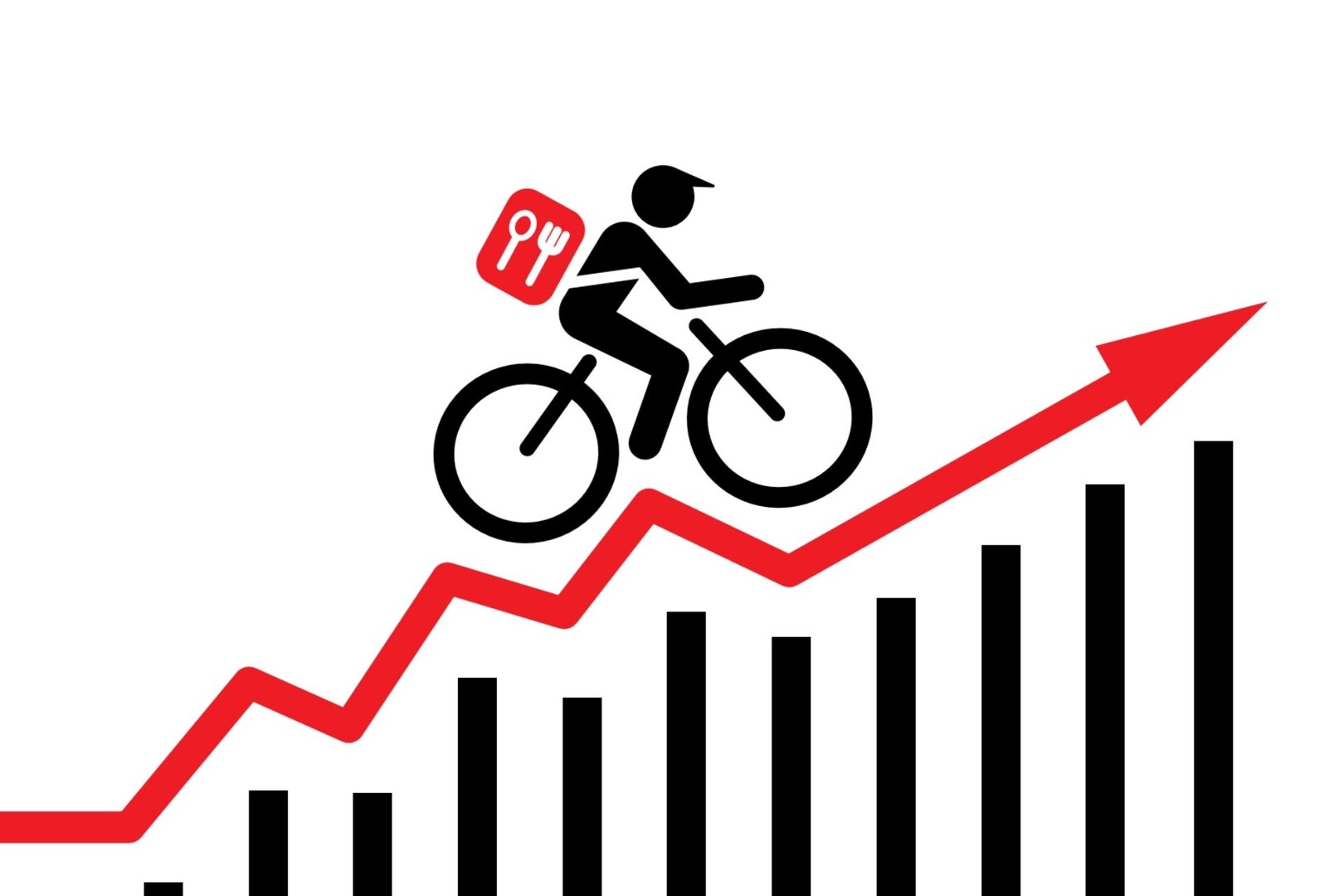
Graphic illustrating the increase in NYC app-based delivery worker earnings. A city report estimates that minimum pay requirements have generated more than $2 billion in additional worker earnings since December 2023.
New York City's app-based delivery industry has undergone a major shift since the city began enforcing minimum pay requirements in December 2023. A new Department of Consumer and Worker Protection report estimates that delivery workers have received more than $2 billion in additional earnings, while average hourly compensation, including tips, climbed from $10.48 to $27.03. Restaurant delivery activity also expanded, suggesting that higher labor costs have coincided with continued consumer demand. However, the report identifies changes in how delivery platforms manage workers, including reduced flexibility and tighter control over access to assignments. The findings offer a broader look at how New York City's labor regulations are reshaping earnings, working conditions and business practices in the growing delivery economy.
Report Finds NYC Delivery Worker Minimum Pay Rate Increased Earnings by More Than $2 Billion
Commissioner Samuel A.A. Levine and the New York City Department of Consumer and Worker Protection (DCWP) released a new report detailing the impact of the City’s Minimum Pay Rate for app-based delivery workers through June 2026, finding that the law has increased worker pay by more than $2 billion since enforcement began in December 2023. During this period, workers’ average hourly earnings, including tips, increased from $10.48 to $27.03, while consumer demand for deliveries continued to grow.
The findings underscore the importance of establishing labor standards for workers in the app-based economy, where companies’ pay practices can leave workers earning far below a living wage. The report also demonstrates how requiring apps to submit compliance data directly to enforcement agencies can help regulators monitor companies, identify violations, and protect workers.
“When a New Yorker orders dinner on a cold winter night, they’re counting on a delivery worker to bring it to their door," said Mayor Zohran Kwame Mamdani. "Those workers deserve to earn enough to pay rent, put their own dinners on the table and take care of their families. When we established a minimum pay rate, some of the biggest corporations in the country said it would hurt the economy. They were wrong. Workers are earning more and New Yorkers are ordering more. We will keep enforcing this law and standing with the workers who keep this city fed.”
“Workers should be able to count on the labor standards we pass,” said Deputy Mayor for Economic Justice Julie Su. “This report shows that a clear pay floor, backed by strong enforcement, puts more money in workers’ pockets without slowing the industry. As we prepare to protect workers from unfair deactivations in January, delivery workers should know this administration is on their side, and the apps should know we are watching.”
“Delivery workers fought hard for the protections that have made a real difference in their lives, including a Minimum Pay Rate that has put more than $2 billion into their pockets,” said DCWP Commissioner Samuel A.A. Levine. “App company algorithms designed to depress worker pay won’t have the final word in New York City.”
Key Findings
- Workers are earning more money. Not only has total pay to delivery workers increased by over $2 billion since 2023—workers’ earnings (which includes pay and tips), per hour and per week, are substantially higher. For example, restaurant delivery workers’ total weekly earnings nearly doubled from $19.5 million for the workforce to $38.7 million from the third quarter of 2023 to the second quarter of 2026.
- Consumer demand has continued to grow. In the restaurant sector, weekly deliveries rose from 2.63 million to 3.39 million, an increase of 29%.
- Apps are choosing to reduce their costs by reducing waiting time between trips. Apps also control so-called “on-call time” by penalizing workers who decline delivery offers.
- Workers are working more and being more productive. In the restaurant sector, trip time rose from 44% of total hours to 78% of total hours. Deliveries completed per hour worked rose from 1.41 to 2.36, an increase of 68%.
- Multi-apping is functionally impossible. Prior to the minimum pay rule, it was common for delivery workers to connect to multiple apps simultaneously (“multi-apping”). Apps now demand intense engagement from workers during their connected time, making this practice impossible.
- App companies are shifting toward a more regular workforce. Before DCWP began enforcing the Minimum Pay Rate, it was common for workers to log in, wait for delivery offers, and log off after not receiving an acceptable offer. This practice has largely stopped.
- Design tricks depressed tips, but they’re rising in 2026. Tip earnings are back to what they were before the apps changed their interfaces ($5.43 per hour in the third quarter of 2023 versus $5.40 per hour in the second quarter of 2026).
- Deactivations remain a significant threat to workers. DCWP routinely receives complaints from delivery workers that apps arbitrarily and unfairly deactivate workers from their platforms for issues outside workers' control.
The report found that the law has substantially increased workers’ earnings without slowing growth in the restaurant delivery sector. Total weekly consumer spending on restaurant deliveries increased 46%, from $102.5 million to $149.6 million, while weekly deliveries rose 29%. Restaurant delivery workers’ hourly pay has quadrupled from $5.05 to $21.63. Following City action to prohibit app designs that made tipping more difficult, workers’ hourly tip earnings have also returned to approximately their pre-rule levels.
The findings also show how app companies have adjusted their operations in response to the law, including by limiting workers’ access to platforms and reducing unpaid waiting time between deliveries. While workers are earning more, these changes have made it more difficult for some to work flexibly across multiple apps or log in for only occasional deliveries.
NYC Protections for Delivery Workers
In addition to enforcing the Minimum Pay Rate, DCWP will begin enforcing deactivation protections in January 2027, which prohibit app-based delivery services from deactivating workers without just cause or a bona fide economic reason.
Last month, DCWP secured a $131.5 million settlement with DoorDash to address alleged violations affecting delivery workers and continues to monitor and enforce requirements governing worker pay and app practices. Earlier this year, DCWP secured more than $5 million settlement with Uber Eats, Fantuan, and Hungry Panda, as well as $875,000 from a separate settlement with HungryPanda over illegal fees charged to restaurants. DCWP sued Motoclick seeking millions back in back pay for allegedly underpaying workers and unlawfully deducting fees from their pay. DCWP also released a report on tipping data, analyzing the importance of protections against in-app designs meant to suppress tipping functions.
Minimum pay is one essential component of a quality job. Delivery workers continue to face threats to their livelihoods, including unfair deactivations for circumstances outside their control. DCWP is committed to rigorously enforcing the law to protect workers’ economic security and promote safer streets for all New Yorkers.
Workers who believe their rights are being violated should tell DCWP and file a complaint at nyc.gov/workers.
“More than $2 billion in additional earnings for Deliveristas is a historic victory made possible by the organizing and determination of Los Deliveristas Unidos, who fought to win the nation’s first minimum pay standard for more than 70,000 app-based delivery workers,” said Ligia Guallpa, Executive Director, Workers’ Justice Project and Los Deliveristas Unidos. “We thank DCWP for its leadership and co-governance approach, centering workers’ voices to advance policies that hold delivery app corporations accountable and put corporate greed in check. We’ve proven that even multibillion-dollar companies can afford to pay workers more while continuing to operate and grow their businesses. But our fight is far from over. We will continue organizing for safer working conditions, job security, and protections against algorithmic exploitation. The fight continues.”
“When workers organize and fight for fair pay, we can deliver life-changing results. This report makes it clear, establishing the New York City Minimum Pay Rate has brought back over $2 billion into delivery works’ pockets as delivery demand is rapidly growing city-wide,” said Council Member Harvey Epstein. “App companies should not be able to profit by exploiting the workers on the ground, and there must be effective guardrails in place to ensure workers are treated fairly. We must continue to expand protections, hold delivery companies accountable, and make sure that the people who keep our city moving can work with dignity and fair pay.”
“Huge props to DCWP for their first-rate enforcement, and to delivery workers themselves for the advocacy that led to the Minimum Pay Rate Law, which I was so proud to sponsor in 2021,” said Brad Lander, former New York City Comptroller and Council Member. “Working together, New York City fought back against the app companies squeezing immense profits by ‘gigifying’ their workers into poverty—and we won. Together, we've raised wages from $5/hour to over $22/hour, and redirected more than $2 billion from the bank accounts of billion-dollar app companies into the pockets of some of the lowest-wage but hardest-working workers in our city.”
“Delivery workers are an essential part of New York’s economy, and they deserve to be paid fairly. Today, thanks to the Mamdani Administration, we are one step closer to that reality,” said Council Member Jennifer Gutiérrez. “Our coalition partners and I led the passage of my bill to establish this report, because we understand that minimum pay rates are essential for this workforce. I look forward to working with DCWP to continue standing up for our deliveristas.”
“This groundbreaking report dispels many of the myths we hear from food delivery apps,” said Council Member Sandy Nurse. “Above all, it shows that when we pay delivery workers a living wage, demand will continue to grow, working conditions will improve, and workers can better afford to live in this city. These wage gains also provide a blueprint for how we can legislate and secure a living wage for all workers. Making work pay equitable is the best way to combat our extreme inequality, and I commend DCWP for continuously standing by delivery workers to ensure their rights and wages are protected.”
“When the City Council passed the minimum pay law, the delivery apps told us it would be a disaster. The results are in, and not only is business booming, more than $2 billion in additional pay has gone into the pockets of our hardworking delivery workers,” said Council Member Shaun Abreu. “That’s money for rent, groceries, and taking care of families. Huge thanks to Mayor Mamdani, Commissioner Sam Levine, and the Worker’s Justice Project for standing up for our delivery workers, vigorously enforcing the law, and changing lives.”
Source: NYC Consumer & Worker Protection