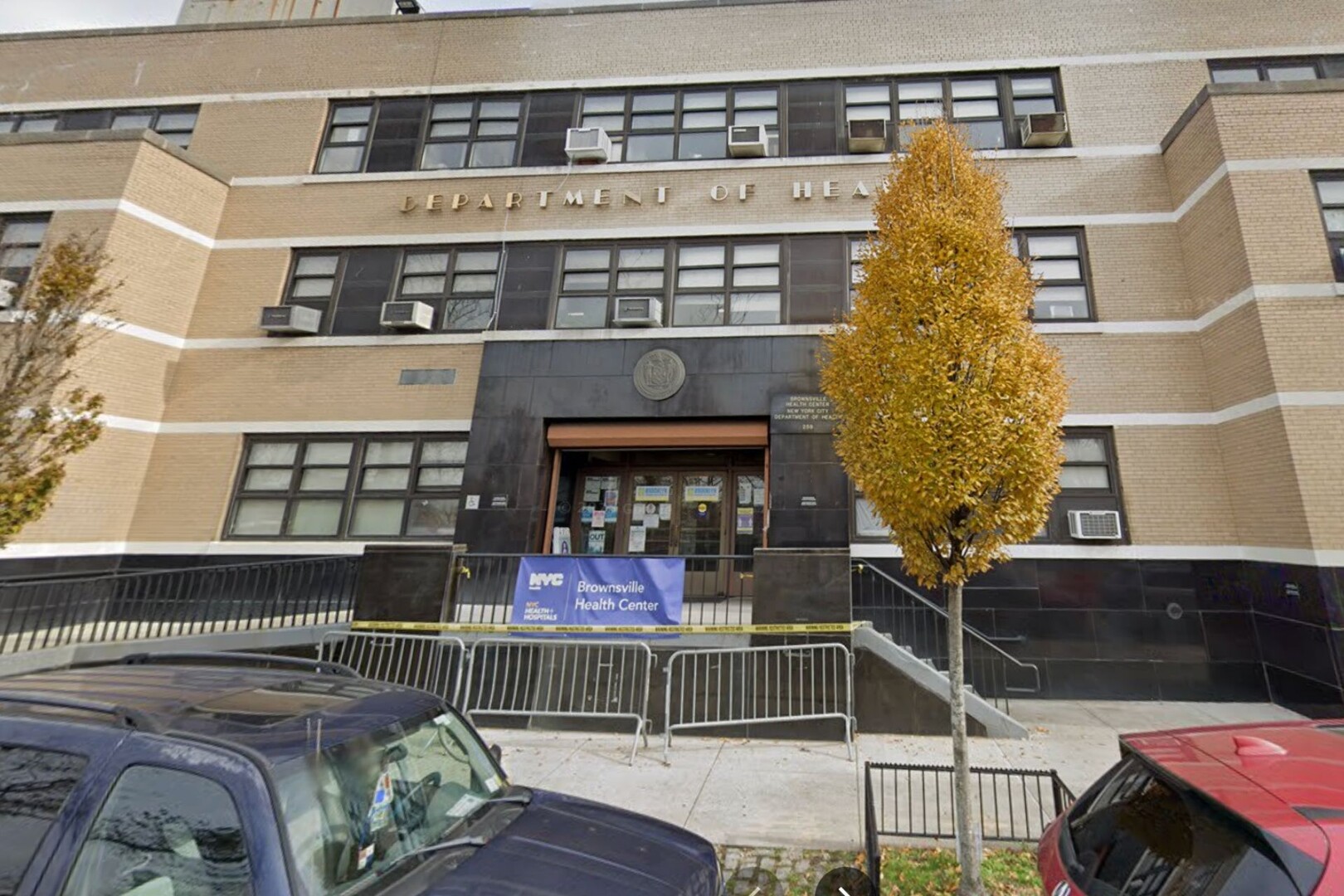
Brownsville Hypertension Initiative Supports Community Health
NYC Newswire / Google Maps
The NYC Health Department announced results of a three-year hypertension initiative in Brownsville, Brooklyn, connecting healthcare providers, community organizations and residents with blood pressure monitoring and education resources.
Managing high blood pressure often requires more than an occasional doctor's appointment, particularly when residents face barriers to transportation, affordable services or ongoing care. In Brownsville, Brooklyn, a three-year public health initiative brought healthcare providers and neighborhood organizations together to make hypertension support more accessible. The NYC Health Department reports that the project strengthened care systems serving thousands of patients, including 5,481 Brownsville residents diagnosed with hypertension. Community health workers helped connect residents with blood pressure monitoring, health education and local services. Although federal grant funding ended in September, workshops at NYCHA developments and referral connections will continue, preserving parts of a neighborhood-based approach to chronic disease management.
NYC Health Department Strengthened Hypertension Care in Brownsville
Three-Year Initiative Connected Brownsville Residents to Healthcare Providers, Resources, and Organizations in Their Community to Support Their Blood Pressure Management
Initiative Strengthened Referrals to Local Providers, Distributed Blood Pressure Monitors, and Provided Lifestyle Management Education to Brownsville Residents
Today, the New York City Health Department announced the results of a three-year initiative bringing together partners across healthcare, housing, academia, nonprofit organizations, and government to improve hypertension care in Brownsville, Brooklyn, making it easier for over 5,000 Brownsville residents with high blood pressure to get the support they need in their community.
The Brownsville Community + Clinical Linkage Project connected New Yorkers with support services and programs to better manage their blood pressure by establishing a hyper-local referral pathway for healthcare providers and community organizations. Over the last three years, the project has strengthened hypertension care systems across clinical providers serving more than 64,000 patients in Brooklyn, including 23,000 in Brownsville, 5,481 of whom have been diagnosed with hypertension.
“Where people live, work, and learn, plays an important role in their health,” said NYC Health Commissioner Dr. Alister F. Martin. “This project demonstrates how strong partnerships between healthcare providers, community organizations, and New Yorkers can improve chronic disease management at a hyper-local level. By connecting clinical care with trusted community resources, we're helping New Yorkers better manage high blood pressure and build healthier futures without leaving the neighborhood.”
“NYCHA is proud to have partnered with the Health Department and local community leaders on this important, evidence-based work to build a healthier Brownsville,” said NYCHA Chief Executive Officer Lisa Bova-Hiatt. “We are especially appreciative of this project’s investment in NYCHA residents, including the ongoing lifestyle management workshops at Van Dyke and Tilden Houses. This work, and NYCHA’s partnerships with citywide and local health leaders, helps us to foster stronger and healthier public housing communities today and for generations to come.”
The Brownsville Community + Clinical Linkage Project was led by the Health Department’s hypertension initiative Take the Pressure Off, NYC!, and funded by a three-year grant from the U.S. Centers for Disease Control’s Addressing Conditions to Improve Population Health Project. Partners included Brooklyn Hospital Center, One Brooklyn Health-Brookdale, the New York City Housing Authority (NYCHA), RiseBoro Community Partnership, the American Heart Association, Healthfirst, and New York University’s Langone Health’s Institute for Excellence in Health Equity.
Working alongside participating health centers, the project improved hypertension care for Brownsville residents with high blood pressure by implementing evidence-based hypertension care strategies. This included self-measured blood pressure monitoring programs, enhanced electronic medical records, a hypertension control dashboard, new workflows supportive of hypertension care, and referral pathways to community-based organizations.
Community Health Workers helped community members identify social needs, enroll into self-measured blood pressure programs, provided health coaching, and connected residents to community-based lifestyle management education and services that support long-term blood pressure management. The project also convened a neighborhood assembly that brought together residents and community partners to discuss local health needs, barriers to managing heart health related issues, and ways to improve cardiovascular health across the neighborhood.
Over the course of three years, Brownsville Community + Clinical Linkage Project:
- Strengthened hypertension care systems across clinical providers serving more than 64,000 patients in Brooklyn, including more than 23,000 in Brownsville.
- Provided training in best practices for hypertension management for providers serving another 49,000 patients in Brooklyn.
- Delivered lifestyle management education to over 242 community members, accumulating over 1,253 participation education hours in chronic disease self-management workshops
- Distributed more than 300 self-measured blood pressure monitors.
Although grant funding ended on September 29, the Health Department will continue leading lifestyle management workshops at NYCHA’s Van Dyke and Tilden Houses and remain connected with clinical partners for future programming. RiseBoro will also continue offering lifestyle management workshops in the community. The referral pathway created through the project will remain available to connect residents with community-based health and social services. The Health Department provides evidence-based hypertension materials as well as resources for community organizations and healthcare providers that support chronic disease management programs reaching community members disproportionately impacted by high blood pressure. .
The NYC Health Department hosts Hypertension 101 both online and in-person at the Bedford Health Center. New Yorkers can use the NYC Health Map to find a nearby pharmacy or community-based organization to check their blood pressure for free.
“For far too long, Brownsville and communities across the 60th Assembly District have faced persistent health disparities that have put the well-being of our families and future generations at risk. Access to quality healthcare should never be determined by your ZIP code, income, or circumstances,” said New York State Assemblywoman Nikki Lucas. “Hypertension is a serious public health challenge, and the Brownsville Community + Clinical Linkage Project demonstrates what is possible when government, healthcare providers, and community organizations work together to deliver meaningful results. I commend the NYC Health Department and its partners for connecting thousands of residents to essential care, blood pressure monitoring, education, and preventive services. This initiative is about more than managing a medical condition; it is about saving lives, empowering families, and confronting the long-standing inequities that have burdened our communities. We must build on this progress with sustained investments and stronger partnerships that ensure every resident has access to the care, resources, and support needed to live a healthier, longer life.”
“Hypertension — often referred to as the ‘silent killer’ — has historically been a public health threat in Brownsville with some of the highest rates of cardiovascular disease and related hospitalizations in the city,” said New York State Assemblywoman Latrice Walker. “The fact is that it can be managed. I applaud the New York City Health Department and all of the community partners for providing more than 5,400 of my constituents in Brownsville with the support and services they need. I’m grateful to the Health Department and RiseBoro, who have committed to leading future lifestyle management workshops throughout the community, including at the Van Dyke and Tilden Houses — even after the September 29 expiration date for the funding for the three-year initiative. The project is proof that we can improve public health when we raise awareness and work together.”
“Building a healthier Brooklyn means addressing the issues that have made it harder for communities like Brownsville to access quality healthcare,” said Brooklyn Borough President Antonio Reynoso. “As Brooklyn residents in financial distress face greater risk of hypertension, I’m grateful to see this initiative address long-standing health inequities by bringing together healthcare providers and community organizations to help Brownsville residents. I want to thank the NYC Health Department and all the partners involved for their work to close these gaps and make sure Brooklynites can get the care they deserve.”
“Your neighborhood shouldn’t determine whether you can keep your blood pressure under control,” said New York City Council Member Lynn Schulman, Chair of the Committee on Health. “Hypertension is a major risk factor for heart disease and stroke, and for too long, many Brownsville residents had no clear path to manage it close to home. By putting monitors in residents’ hands, connecting clinics with community organizations, and sending Community Health Workers to meet neighbors where they are, this initiative made care more accessible, more coordinated, and more local. I applaud the Health Department and their partners for building a referral pathway that will outlast the grant. Our job now is to bring these lessons to every community facing the same barriers, because New Yorkers deserve care that doesn’t end when the funding does.”
“Strengthening hypertension care in the Brownsville community, which I represent, is an important investment in the health and well-being of our community, particularly for residents living in the city’s public housing developments, where as Chair of the City Council’s Committee on Public Housing, I know that access to convenient, consistent healthcare resources can make a real difference,” said New York City Council Member Chris Banks, Chair of the Committee on Public Housing. “By connecting area residents to local healthcare providers, providing blood pressure monitors, and bringing health education directly into the community, the City is helping families better manage high blood pressure, prevent serious complications, and build healthier futures. I commend the Health Department and its community partners for advancing a model of care that meets Brownsville residents where they are and puts their health first.”
"A healthy community is a thriving one, and I'm proud that the Health Department's Brownsville Community + Clinical Linkage Project contributed to improving public health," said New York City Council Member Sandy Nurse. "I'm grateful that our Brownsville constituents with hypertension received the holistic support they deserve through this program."
“We will continue the BP program and expand it to other areas and patients,” said Judith Jean-Pierre, Administrative Director, Family Practice, The Brooklyn Hospital Center. “The objective is to reach out to as many patients as possible.”
“Our research shows tools like self-measured blood pressure monitoring and community health worker support can help close gaps in hypertension prevention and control,” said Dr. Joseph E. Ravenell, professor in the Departments of Population Health and Medicine at NYU Grossman School of Medicine and co-lead of medical education at NYU Langone Health's Institute for Excellence in Health Equity. "It has been a privilege to work with the Health Department and our community partners to bring those strategies to Brownsville. NYU Langone remains committed to building on this foundation with our partners across Brooklyn.”
“The most important aspect of the program was the provision of dedicated Community Health workers who conducted outreach and engaged patients in care,” said Dr. Gwendolyn Lewis, Sr. Director, Community Health, One Brooklyn Health. “Having a dedicated person(s) to focus on patients, develop health goals with patients, and provide follow-up and the support needed to address both their physical and social care needs is extremely important in helping patients achieve and maintain the desired BP goals.”
“Brownsville residents shouldn’t have to leave their neighborhood to get the support they need to stay healthy,” said Kieran Harrington, Chief Executive Officer, RiseBoro Community Partnership. “This partnership connected local health providers with the community organizations residents already know and trust. RiseBoro is proud to be part of it, and we’re continuing these workshops so more of our neighbors can take control of their heart health.”
Source: NYC Department of Health