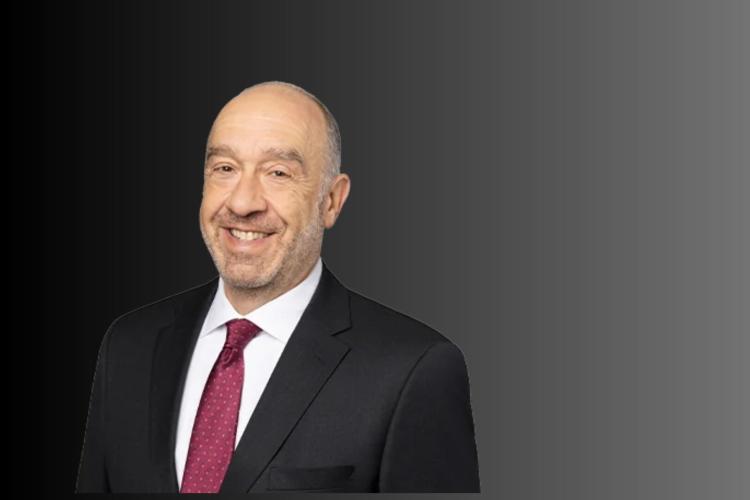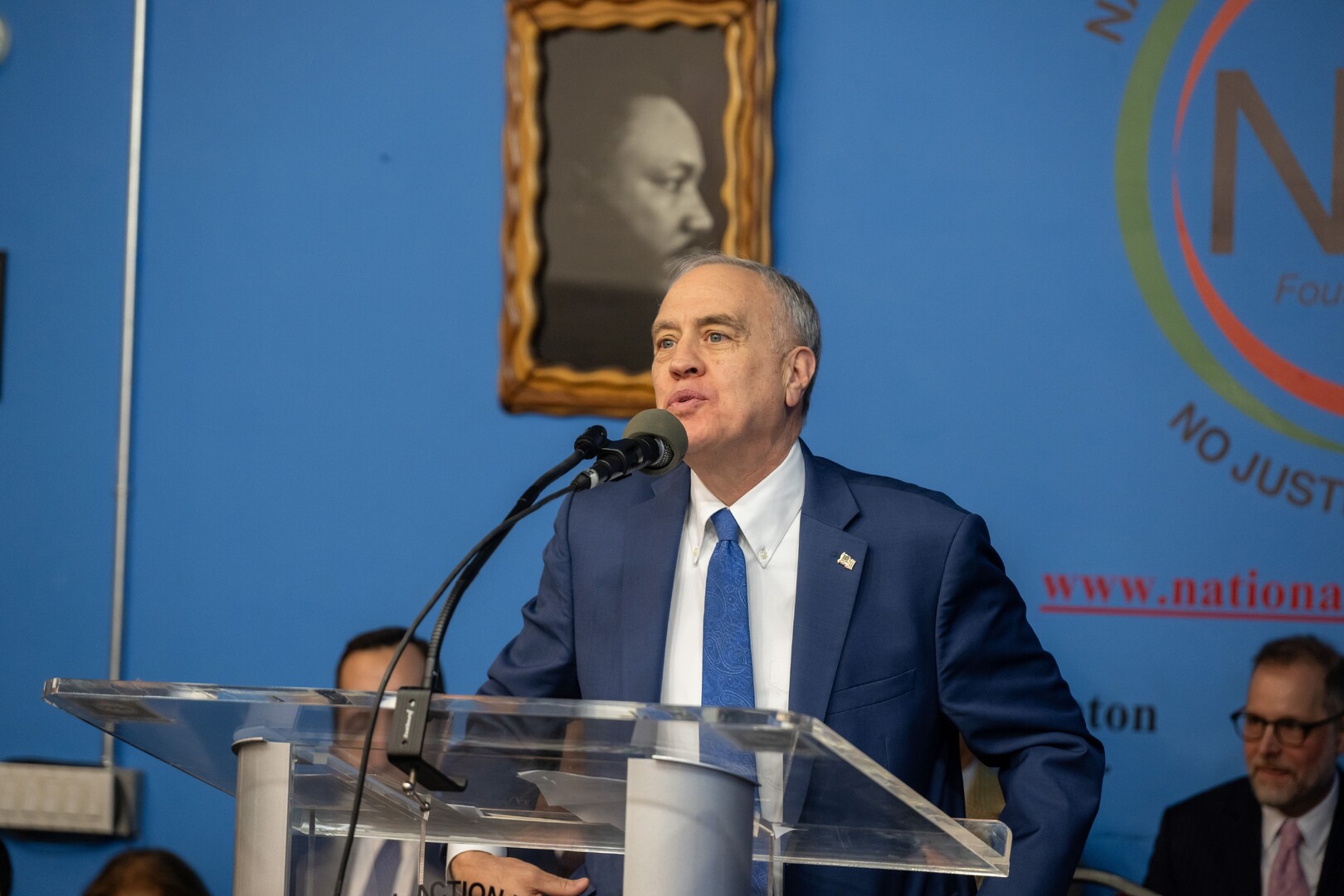
New York State Comptroller Thomas DiNapoli
Ron Adar
NEW YORK, NEW YORK - JANUARY 19: New York State Comptroller Thomas DiNapoli speaks during a Martin Luther King Jr. Day event in Harlem on January 19, 2026 in New York City.
A new report from New York State Comptroller Thomas P. DiNapoli highlights mounting financial and operational challenges in New York City's juvenile justice system. Secure youth detention spending reached $104 million in fiscal year 2026, twice its 2019 level, while overtime expenses climbed to $20.7 million. The city's detention facilities in Brooklyn and the Bronx are operating beyond their combined capacity, with more young people entering the system and remaining in custody for longer periods. The report also identifies staffing shortages affecting probation and legal services, alongside declining opportunities to resolve cases without court involvement. DiNapoli recommends improved public reporting, stronger staffing oversight and expanded youth prevention programs to address these pressures.
DiNapoli: NYC Youth Detention Costs Double Since 2019
Secure youth detention costs in New York City more than doubled, from $52 million in City Fiscal Year (CFY) 2019 to $104 million in CFY 2026, according to a new report released by State Comptroller Thomas P. DiNapoli. More youth are being held in secure detention for longer periods, driving higher staffing needs and sharp increases in overtime costs.
Youth arrests in the city increased by an average of 26% annually between 2021 and 2024, reaching 9,500, but remained 7% below 2019 levels. More than half of youth arrests since the pandemic involved major felony crimes, including murder, rape, robbery and felony assault, compared with 30% in the five years before the pandemic. Youth-perpetrated shootings accounted for 11% of all shootings citywide in 2025, more than double the 4% share in 2019.
“New York City is spending more money to keep young people in detention, and they are staying there longer,” DiNapoli said. “The city needs to address staffing shortages and overcrowding and also invest in prevention efforts, including after-school programs, mentoring and summer jobs, to give young people more opportunities and help keep them out of the juvenile justice system.”
Rising Overtime and Detention Population
The Administration for Children’s Services (ACS) relies heavily on overtime to adequately staff its secure youth detention facilities at all times. Overtime costs have grown from $5 million in CFY 2019 to $20.7 million in FY 2026. In CFY 2025, the city spent an estimated $337,000 annually for each youth held in secure detention.
Most youth are held in secure detention at Crossroads Juvenile Center in the Brownsville section of Brooklyn or at Horizon Juvenile Center in the Mott Haven section of the Bronx. Raise the Age legislation, which increased the age of criminal responsibility from 16 to 18, shifted 16- and 17-year-olds charged with felony crimes from Rikers Island into the juvenile justice system. The youth secure detention population increased more than 400% between 2019 and 2025 to more than 300 young people.
Youth are also remaining in detention for longer periods. The average length of stay increased from 59 days in CFY 2023 to 106 days in CFY 2026. ACS attributes the increase to “a higher proportion of youth with complex or serious cases.”
The city’s two secure detention facilities have a combined capacity of 244 beds but were housing more than 370 youth as of August 2026. ACS, working with the Department of Design and Construction, has accelerated plans to add 84 bedrooms across the two facilities by the end of 2027.
Growing Pressures on Probation and Diversion Efforts
The number of youth cases reviewed by the Department of Probation (DOP) increased by an average of 28% annually between 2021 and 2024. The department reviewed about 8,000 youth cases in 2025, up from less than 4,000 in 2021. Only 15% of cases qualified to be resolved without going to court in CFY 2026, the lowest level on record.
The number of probation officers declined by one-third between 2020 and 2026. As of April 2026, DOP identified a need for 10 additional probation officers to handle its intake caseload. DOP added two classes of new probation officers in 2026 and plans four more in 2027, but has not yet specified how many officers will be assigned to juvenile operations.
Court System Pressures
The number of youth cases referred to the city’s Law Department increased by an average of 30% annually between 2021 and 2025, totaling 7,500 cases. The department spent $20 million on juvenile justice services in CFY 2026, $14 million more than the year before.
At the same time, Assistant Corporation Counsel staffing at the Law Department declined by 17% between 2020 and 2026. However, the city does not publish staffing figures specifically for juvenile justice cases, making it difficult to determine how the decline impacted case processing and outcomes.
Need for Better Transparency and Staffing Data
The city lacks sufficient public reporting on juvenile justice-specific staffing, caseload and spending data across agencies, making it difficult to assess resource needs, caseloads and spending and evaluate performance and outcomes. DiNapoli’s report recommends the city improve staffing and budget transparency, publish clearer staffing targets and case processing data and better track outcomes across agencies.