NYC Politics News
 ">
">
 ">
">NYC Council Calls OpenAI, Anthropic to AI Hearing
- NYC Politics News
- 1 week ago
New York City lawmakers will bring artificial intelligence oversight into a full-Council forum on October 5, with leaders of OpenAI and Anthropic expected to participate in a hearing focused on the technology’s potential impact on New Yorkers. The unusual Committee of the Whole proceeding will involve all 51 Council members and examine issues ranging from public and cybersecurity risks to consumer protection and economic disruption. Lawmakers also plan to scrutinize the safety measures used by major AI developers and consider whether additional local rules are warranted as increasingly capable systems enter workplaces, businesses and everyday life. The hearing builds on previous NYC legislation establishing standards for government use of artificial intelligence and represents a broader examination of how the city could respond to emerging risks while accounting for the technology’s economic and practical benefits.
- NYC Politics News
- 1 week ago
 ">
">NYC Invests $4M to Expand Public Bathrooms Citywide
- NYC Politics News
- 1 week ago
New York City is putting $4 million toward a new approach to increasing restroom availability throughout the five boroughs, with modular facilities intended to reduce the time and expense associated with traditional construction. NYCEDC will seek proposals from companies capable of supplying the new units, while city agencies will determine where additional facilities should be placed. West Harlem is among the first communities slated for expanded access, with a free, accessible and self-cleaning restroom planned near 12th Avenue and St. Clair Place. The broader initiative is designed to bring more facilities beyond parks and into plazas and other heavily used public spaces, addressing a longstanding shortage of convenient restroom options for residents, workers and visitors.
- NYC Politics News
- 1 week ago
 ">
">57 Affordable Homes Preserved in Brooklyn Bed-Stuy
- Housing
- 1 week ago
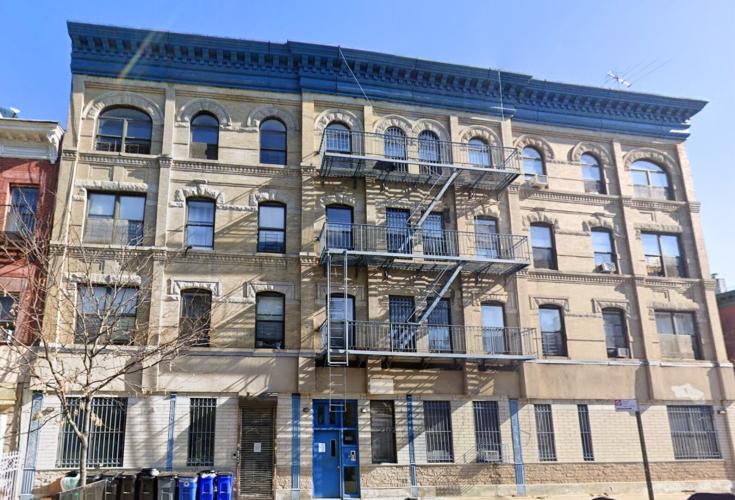
Four Bedford-Stuyvesant apartment buildings containing 57 affordable homes have been transferred to IMPACCT Brooklyn, protecting residents from displacement and securing the properties as affordable housing for decades. The buildings on Pulaski Street, Lafayette Avenue and Franklin Avenue became part of a bankruptcy proceeding after their previous nonprofit owner sought to sell its portfolio. Following intervention by the New York Attorney General’s Office and housing agencies, IMPACCT was selected to acquire and manage the properties. New York State is providing $3 million to finance the acquisition, while NYC housing officials will support planned building renovations. The agreement preserves all 57 apartments for low- and moderate-income households for at least 30 years while allowing current tenants to remain in their homes.
- Housing
- 1 week ago
 ">
">NYC Utility Bill Discounts Expand to More Households
- NYC Politics News
- 1 week ago
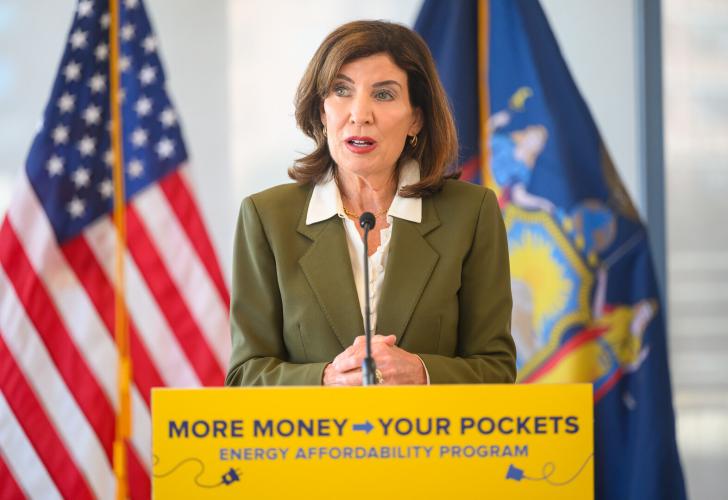
More New York City households can now qualify for monthly discounts on electricity and gas bills following an expansion of New York State’s Energy Affordability Program. The updated eligibility rules extend assistance beyond households participating in certain public-benefit programs to include additional residents based on income, significantly widening the pool of potential recipients. For Con Edison and National Grid customers in New York City, qualifying income limits reach $113,400 for a one-person household, $162,000 for a four-person household and $213,900 for a household of eight. Discounts vary according to income and can provide hundreds of dollars in annual savings, with the state estimating some households could save as much as $500 per year. New York is launching a broader outreach campaign to identify eligible residents and encourage those who are not automatically enrolled to apply online.
- NYC Politics News
- 1 week ago
 ">
">NYC Unveils 10-Year Vision Zero Street Safety Plan
- NYC Politics News
- 1 week ago
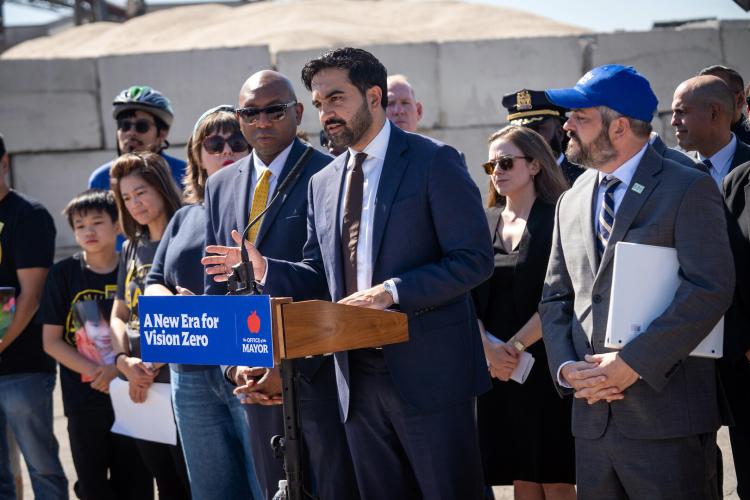
New York City is launching a new decade-long strategy aimed at reducing traffic deaths and serious injuries while changing how streets are designed, managed and enforced across the five boroughs. The initiative coordinates 19 city agencies and partners around more than 100 policies, with priorities ranging from identifying repeat dangerous drivers to improving pedestrian infrastructure and expanding safer transportation options. The plan also calls for safety improvements at at least 1,000 intersections annually, redesigning remaining high-risk Vision Zero corridors and increasing the use of data and technology to identify traffic dangers. Other areas of focus include micromobility, oversized vehicles, automated enforcement, municipal fleet safety and alternatives to private automobile travel.
- NYC Politics News
- 1 week ago
 ">
">NYC Launches Campaign on 5 November Ballot Proposals
- NYC Politics News
- 1 week ago
New York City is launching a citywide voter education initiative ahead of the November election to explain five proposed changes to the City Charter. Developed by the Commission on Government Efficiency, the campaign will use advertising, community outreach, digital resources and multilingual materials to help residents understand the measures before voting. The proposals address several areas of city operations, including outdoor dining and accessibility approvals, contracting with businesses and nonprofits, street safety projects, the use of surplus city property, construction permitting and long-term fiscal reserves. The outreach effort follows a series of public hearings held earlier this year and is intended to give voters across the five boroughs accessible information about how each proposed change could affect New York City government.
- NYC Politics News
- 1 week ago
 ">
">New York AG Wins Supreme Court Mail-In Voting Fight
- NYC Politics News
- 1 week ago
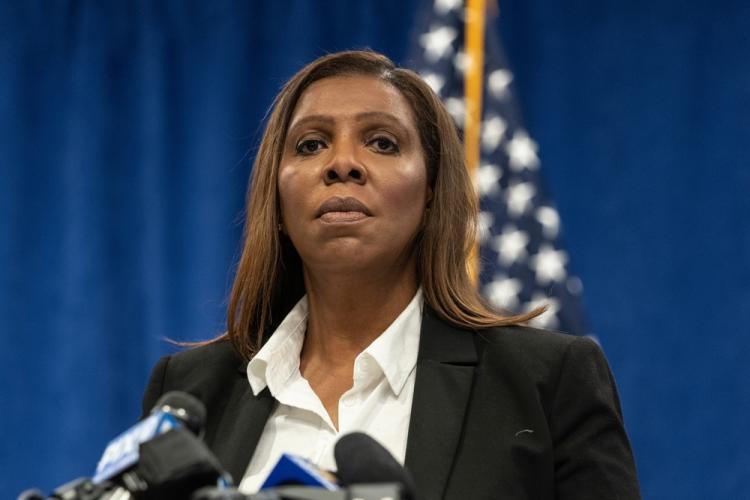
The U.S. Supreme Court has allowed a lower-court injunction against a new U.S. Postal Service mail-in voting rule to remain in effect for the 2026 election. New York Attorney General Letitia James and a multistate coalition challenged the policy in August, arguing that it could interfere with states’ election procedures and prevent otherwise eligible voters from successfully receiving or returning ballots. A federal court initially halted the rule and later issued a preliminary injunction while the lawsuit proceeds. The Supreme Court declined to stay that injunction, meaning the disputed USPS requirements will remain blocked through the November election as the underlying legal challenge continues. James characterized the decision as a protection for voters and urged eligible Americans to participate in the election.
- NYC Politics News
- 1 week ago
 ">
">NYC Labor Rally Honors 9/11 Workers, Draws 5,000
- NYC Business News
- 1 week ago
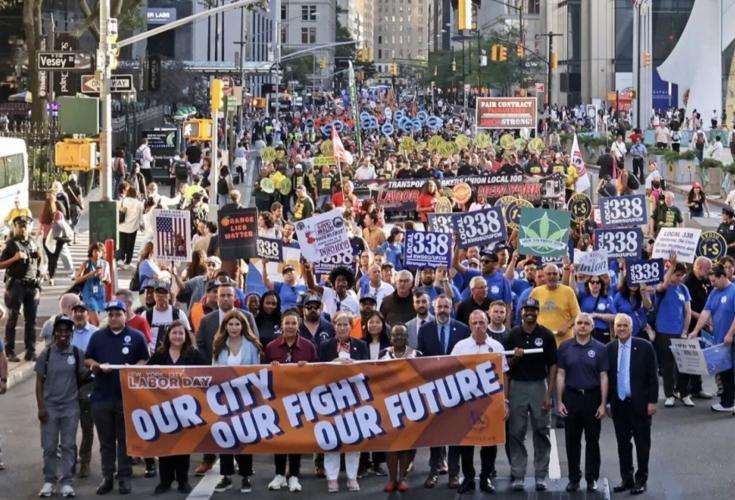
More than 5,000 union members representing over 50 unions gathered in Lower Manhattan for the New York City Central Labor Council’s 2026 Labor Day Rally and March, combining a celebration of organized labor with remembrance of the workers who responded to the September 11 attacks. The event highlighted the role union members played in the city’s rescue, recovery and rebuilding efforts while connecting that legacy to current concerns facing New York workers. Participants marched past the World Trade Center site on their way to Foley Square, with labor leaders, rank-and-file members and elected officials taking part. Governor Kathy Hochul, Mayor Zohran Mamdani, Attorney General Letitia James and other city and state leaders were among those attending the gathering.
- NYC Business News
- 1 week ago
 ">
">NYC Schools Procurement Reform to Save Over $100M
- NYC Education News
- 1 week ago
New York City is overhauling how its public school system purchases goods and services, with officials projecting more than $100 million in savings during the current and next fiscal years. The initiative targets longstanding problems involving outdated technology, contract oversight, administrative delays and inconsistent procurement procedures across the nation’s largest school district. Under Mayor Zohran Mamdani and Schools Chancellor Kamar Samuels, NYC Public Schools plans to eliminate unnecessary contracts, increase competitive bidding, improve staff training and establish clearer timelines for vendors. Procurement responsibilities will also be consolidated under the Division of Finance, Administration and Human Resources. The administration says the changes are designed to reduce costs for taxpayers while helping schools obtain classroom resources and services more efficiently.
- NYC Education News
- 1 week ago