NYC Building Code Reform Task Force Holds First Meeting
NYC Dept of Buildings
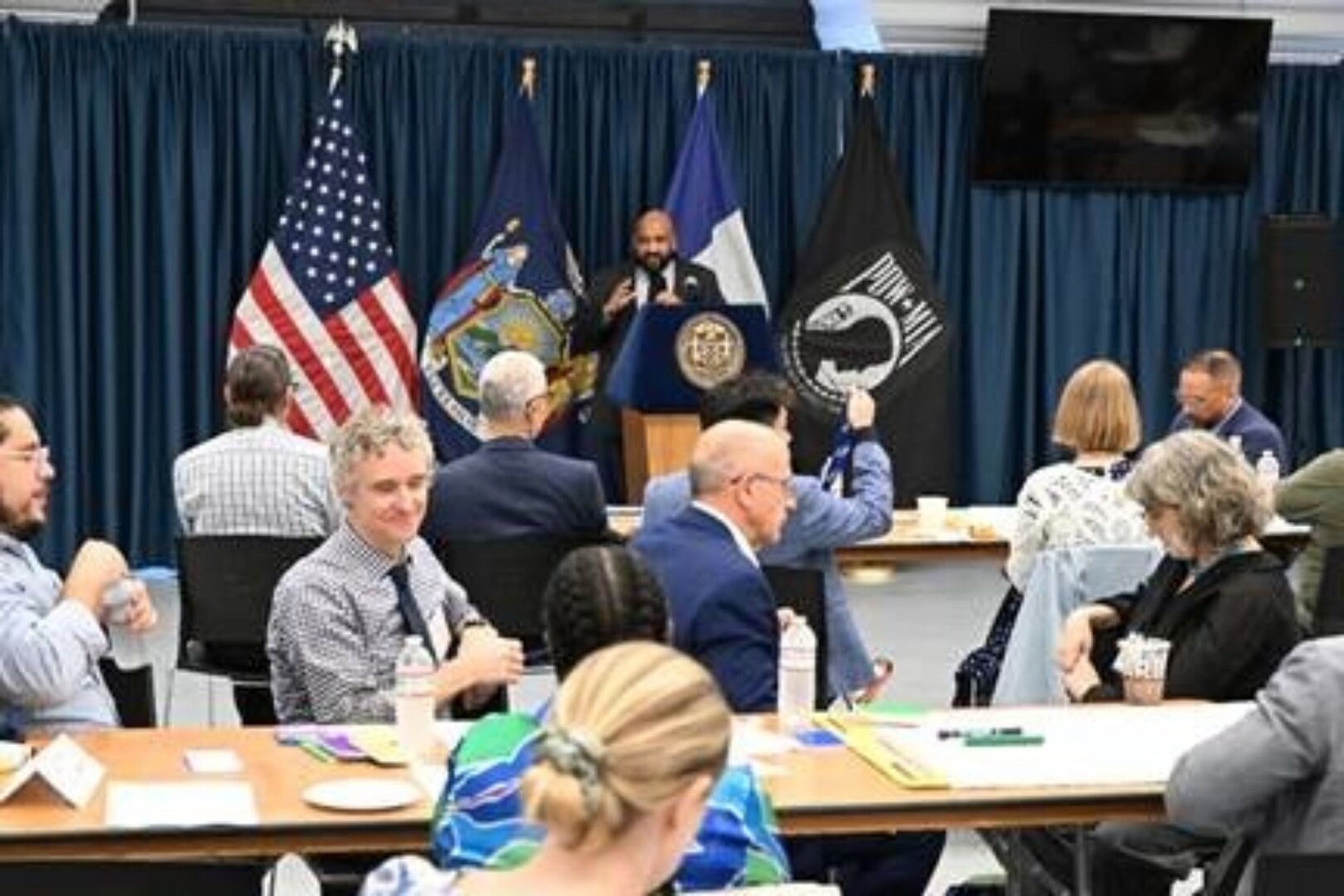
articipants gather for the inaugural meeting of New York City's Affordable and Efficient Code Reform Task Force, an initiative led by the Department of Buildings to identify opportunities to reduce construction costs and streamline housing developmen
New York City's Department of Buildings has launched a task force to examine potential changes to construction regulations that could reduce development costs and support housing production across the five boroughs. The Affordable and Efficient Code Reform Task Force held its inaugural meeting with representatives from organizations involved in housing and construction to identify opportunities for streamlining building requirements without compromising safety. Additional stakeholder meetings are planned for fall 2026, followed by the development of proposals that may require City Council or state legislation. The department aims to introduce recommended code changes in 2027. The initiative is part of the City's Block by Block housing plan and will operate alongside the department's existing multiyear code revision process.
MAMDANI ADMINISTRATION LAUNCHES NEW COLLABORATIVE EFFORT TO STREAMLINE DEVELOPMENT AND REDUCE COSTS ASSOCIATED WITH HOUSING CONSTRUCTION
DOB to hold Multiple Meetings with Dozens of Stakeholder Groups to Collaboratively Develop Recommendations
Last week, Buildings Commissioner Ahmed Tigani officially kicked off the inaugural meeting of the Affordable and Efficient Code Reform (AECR) Task Force, a new collaborative initiative to streamline the development process in New York City, and a major component of the administration’s Block by Block Housing Plan. Joined by representatives from multiple organizations, Department of Buildings (DOB) staff guided open-ended discussions on multiple facets of the construction process, and solicited ideas on how to speed up construction and make it less expensive to build in New York City. Later this fall, the Department of Buildings will be hosting additional AECR meetings with representatives from additional stakeholders and industry groups to delve into more specific topics.
Following these meetings, policy proposals will be selected, and DOB will work with our partners in the City Council and in Albany to draft and advance legislation to facilitate these changes and support more housing across the five boroughs. DOB intends to advance the regulatory changes that arise out of the AECR process on an expedited timeline, with a goal to introduce recommended Code changes in 2027.
“Code reform has tremendous potential to reduce building and maintenance costs, support modern construction techniques, and keep New Yorkers safe while delivering new housing. I’m grateful to the work of DOB and our partners across the city – including labor, industry, elected officials, and more – as we continue this important work and move to implement Block by Block,” said Leila Bozorg, Deputy Mayor for Housing and Planning.
“Starting up this task force project is an important step towards meaningful code improvements, which will be critical to help realize the administration’s ambitious affordability and housing agendas,” said Commissioner Tigani. “I would like to thank all of the participants for joining us for this inaugural meeting. I look forward to expanding the number of voices at the table, bringing in additional subject matter experts as our discussions evolve, and continuing to build on this collaborative process in the meetings ahead.”
The goal of these AECR meetings is to bring together small groups of stakeholders to identify specific areas of the NYC Construction Codes for cost-saving measures that can be achieved without compromising safety. The Department has cast a wide net for the AECR effort, inviting a wide range of participating groups to talk openly and identify areas of consensus, differing viewpoints, and issues that warrant further consideration. During the inaugural meeting, invited organizations included those who covered multiple aspects of the housing and development process. Future meetings will include different stakeholder groups that have more specific subject matter expertise, in order to get a more holistic understanding of the impacts of various proposals.
This process will run parallel to the ongoing multi-year Code Revision Cycle process also spearheaded by the Department, which is a more comprehensive refresh of the city’s regulations for buildings and construction sites in New York City. The existing Code Revision process has been a regular feature of DOB’s work to keep pace with international standards, emerging technologies, and industry best practices, and has resulted in a set of comprehensive regulations tailored to New York City’s unique built environment.
Source: NYC Department of Buildings